

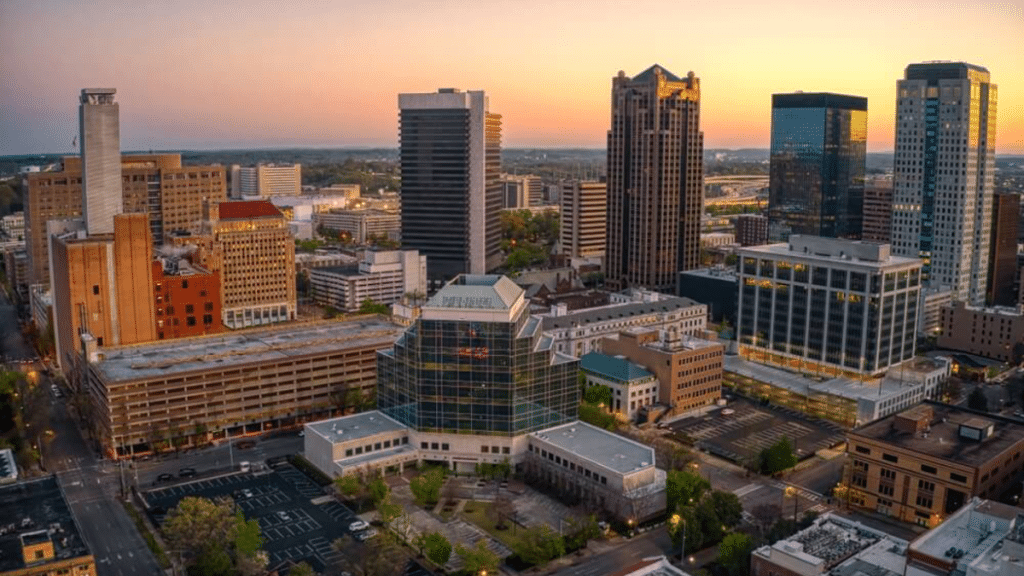
If you live in Houston, you know the drill. Every single morning, it’s like the entire city collectively decides to get in their cars at exactly the same time and see how slowly they can possibly move. The Katy Freeway turns into this endless snake of brake lights, I-45 becomes a cruel joke, and don’t even get me started on trying to navigate 610 during rush hour.
The stats are pretty depressing when you actually look at them. Houston is basically in a competition with other major cities to see who can waste the most time sitting in traffic, and we’re winning. The average person here spends over 70 hours a year just… sitting. Not moving. Just breathing exhaust fumes and watching their gas gauge drop while they creep forward at 5 mph.
Think about that for a second – that’s almost two full weeks of vacation time you could have had, but instead you’re trapped in your car wondering why you didn’t leave 20 minutes earlier. Again.
The Anatomy of Houston’s Traffic Problem
Several factors contribute to Houston’s traffic woes. The city’s sprawling layout means longer commute distances for most residents. Unlike cities with concentrated downtown areas, Houston’s job centers are scattered across multiple business districts – from the Energy Corridor to the Medical Center, from Greenway Plaza to downtown proper.
And then there’s the weather, because Houston wouldn’t be complete without Mother Nature making everything worse. The second it starts raining – and it rains here a lot – everyone suddenly forgets how to drive. Speed drops to like 35 mph on the freeway, people are white-knuckling their steering wheels because they can’t see past their windshield, and inevitably someone’s going to slide into someone else. One little fender-bender and boom – you’re stuck for the next three hours while everyone rubbernecks to see what happened.
The construction situation is its own special kind of hell. I get it, the roads need work, but good lord. Take that whole I-45 mess they’ve been “fixing” forever – it’s basically rearranged how traffic moves through the entire city. You’ll be driving a route you’ve taken a thousand times and suddenly there are orange cones everywhere, lanes are shifted to places that make no sense, and you’re following signs that seem to lead to nowhere.
It’s like they take a road that was already terrible and say “you know what this needs? More chaos.” And then you sit there in the construction zone, moving at 2 mph past workers who aren’t even working, wondering if this project is ever actually going to be finished or if this is just your life now.
At least the construction workers are getting paid to be out there. The rest of us are just suffering for free.
Peak Hours and Traffic Hotspots
If you’re going to survive Houston traffic, you need to know when the madness hits. Morning rush starts creeping in around 6:30, but it gets really ugly between 7:30 and 8:30. What catches people off guard is how early the afternoon mess begins – by 3 PM things are already getting sketchy, and between 5 and 6:30 it’s basically every person for themselves.
Some roads are just cursed. The Katy Freeway is this massive joke – like, they made it ridiculously wide thinking that would solve everything, and somehow it’s still a parking lot every day. US 290 is a nightmare, the Gulf Freeway lives up to its reputation for being awful, and the Southwest Freeway might as well be renamed “The Place Where Dreams Go to Die.”
But here’s the thing that really gets you – even the regular streets are disasters. Westheimer, Richmond, Bellaire Boulevard – these aren’t supposed to be highways, but they’re packed with people trying to avoid the highways that are packed with people trying to avoid the surface streets. It’s this weird traffic circle of hell.
The problem is Houston just keeps spreading out in every direction like spilled water. There’s nothing stopping it – no mountains, no big rivers, just flat land forever. So everyone ends up living farther and farther out, which means longer commutes, which means more cars on roads that were never designed for this many people.
Technology’s Role in Traffic Management
At least we’ve got some technology working for us now. Apps like Waze and Google Maps have basically become survival tools – they’ll tell you about that wreck up ahead before you get stuck in it, or route you through some neighborhood you never knew existed to shave 20 minutes off your commute. Most Houston drivers have their phone mounted on the dashboard like it’s life support, because honestly, it kind of is.
The city’s trying to help too with all these smart traffic systems. They’ve got cameras watching everything and traffic lights that supposedly adjust based on how busy things are. It’s better than the old days when lights just changed on a timer whether anyone was there or not, but let’s be real – you can only optimize so much when you’ve got this many people trying to use roads that weren’t built for this kind of volume.
The real game-changer has been companies letting people work from home or come in at weird hours. Some folks start at 7 AM to beat the rush, others work four 10-hour days, and plenty just stay home in their pajamas and skip the whole mess entirely. Companies are figuring out that having employees who aren’t stressed out from sitting in traffic for two hours makes for better workers.
It’s wild how much difference it makes when even a small percentage of people aren’t on the road during rush hour. Too bad more places haven’t figured this out yet.
Alternative Transportation Options
Houston’s public transit is… well, it’s trying. METRO has these bus rapid transit lines and the light rail, which work pretty well if you happen to be going somewhere they actually go. If you work downtown, in the Medical Center, or need to get to a Texans game, you’re golden. Everywhere else? Good luck with that. The city was basically built assuming everyone would drive everywhere, so trying to retrofit decent public transit is like trying to put bike lanes on the moon.
Carpooling is hit or miss. They’ve got those HOV lanes that are supposed to make ride-sharing worth it, but half the time they’re emptier than the regular lanes while everyone sits in traffic next to them. Some neighborhoods have gotten creative with informal carpool groups – like, “hey, we all work near the Galleria, want to split gas?” It works when people actually stick to it.
The bike situation is getting better, slowly. They’ve added some protected bike lanes and trails that don’t make you feel like you’re playing Russian roulette with SUVs. But let’s be honest – biking in Houston means dealing with heat that’ll melt your face off half the year and humidity that makes you feel like you’re swimming through the air. It’s great for weekend rides or quick trips to the store, but commuting? You’d better have a shower at work and a change of clothes.
Plus, everything’s so spread out that biking to work could literally take you two hours.
The Hidden Costs of Traffic Congestion
The whole traffic mess isn’t just annoying – it’s literally costing you money and probably shaving years off your life. Your car burns way more gas when you’re constantly stopping and starting instead of cruising at a steady speed. Plus all that brake-and-accelerate action is beating the hell out of your engine, your brakes, your transmission – basically everything expensive that you don’t want to replace.
But the real damage is what it’s doing to you. Sitting in traffic for hours every day isn’t just frustrating, it’s actually making people sick. Studies show that people with long, stressful commutes have higher rates of anxiety, depression, heart problems – the whole works. And think about what you’re missing while you’re stuck on 45: time with your kids, going to the gym, actually having hobbies that don’t involve cursing at other drivers.
Speaking of protecting yourself, if you’re going to be spending this much time on Houston’s roads, you better make sure you’ve got decent coverage when someone inevitably rear-ends you in traffic. Shopping around for cheap car insurance in Houston isn’t just smart – it’s basically required survival gear for living here. Different companies price things totally differently, so what one charges you an arm and a leg for, another might cover for way less.
Because let’s face it, with this much time spent sitting in traffic surrounded by stressed-out drivers, it’s not a matter of if you’ll need your insurance – it’s when.
Looking Ahead: Future Solutions
Houston keeps talking about fixing the traffic problem with bigger highways, better buses, and all kinds of fancy tech. Some of it might actually help, but let’s be real – they’ve been promising solutions for decades and we’re still sitting in the same traffic jams our parents complained about.
The urban planning stuff makes sense on paper. Build neighborhoods where you can live, work, and shop without having to drive across town for everything. Put apartments and offices near the light rail stops so people might actually use public transit. It’s a good idea, but changing how an entire city is laid out doesn’t happen overnight.
Everyone’s excited about self-driving cars supposedly fixing everything, but that’s still pie-in-the-sky stuff. Maybe in ten or twenty years we’ll have robot cars that can magically solve traffic, but until then we’re stuck with the roads and drivers we’ve got.
Look, Houston’s traffic sucks because the city grew faster than anyone could plan for it. Millions of people moved here for jobs and cheap housing, and now we’re all paying the price in commute time. There’s probably never going to be a perfect fix, but you can make it less miserable by being smart about when and how you travel.
Use the apps, leave early when you can, work from home if your boss lets you, and just accept that sitting in traffic is part of the Houston experience. At least when you finally get where you’re going, there’s usually decent food and plenty of parking.