

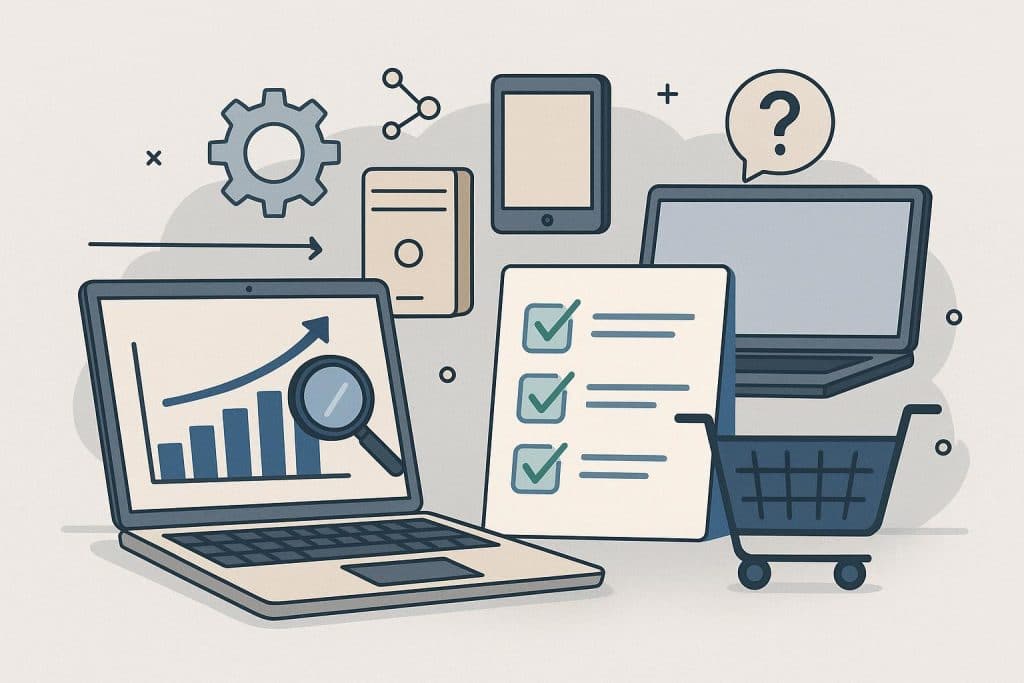
Technology purchases shape how organizations operate and compete. Companies must choose hardware, software, and digital tools that match operational needs. Poor purchasing decisions can lead to compatibility problems, wasted budgets, and systems that fail to support daily tasks.
Many organizations rely on IT procurement services when they want expert support for technology purchasing decisions. Structured guidance helps businesses compare options and avoid costly mistakes. Read this article to gain more knowledge and check these factors that simplify technology purchasing processes.
Clear Assessment of Business Needs
Technology purchases must align with actual business requirements. Organizations begin the process by reviewing operational goals and identifying systems that support productivity. A clear needs assessment prevents unnecessary purchases. However, companies must analyze workflows, data requirements, and user expectations carefully. Proper evaluation ensures that technology investments support business objectives and long-term operations.
Evaluation of Vendor Options
Vendor selection plays a major role in technology procurement. Companies must review vendor credibility, product reliability, and service support before finalizing any purchase. Vendor evaluation also includes pricing structure and support capabilities. Therefore, organizations gain confidence when suppliers demonstrate reliability and strong service standards. A thorough vendor review helps businesses select trustworthy partners.
Cost Analysis and Budget Planning
Technology investments require careful financial planning. Companies must evaluate product costs, maintenance expenses, and upgrade requirements before purchasing equipment or software. Budget planning allows organizations to compare options within their financial limits. However, hidden costs may affect long-term value if businesses overlook support or upgrade fees. Proper cost analysis supports smarter purchasing decisions.
Compatibility with Existing Systems
New technology must integrate smoothly with existing infrastructure. Compatibility ensures that new tools work with current software, networks, and devices. Organizations that use IT procurement services receive guidance during compatibility evaluation. Hence, businesses avoid disruptions caused by incompatible systems. Proper integration supports smoother transitions when new technology enters the workplace.
Product Quality and Reliability
Product reliability determines how well technology supports daily operations. Businesses benefit from equipment and software that perform consistently under regular use. Quality evaluation includes product durability, system performance, and manufacturer reputation. Therefore, organizations reduce risks when they select trusted products that meet industry standards.
Technical Support and Maintenance
Reliable support remains essential after technology purchases. Vendors that provide responsive technical support help businesses resolve system issues quickly. Maintenance services also ensure that systems continue to perform efficiently. However, companies should review support agreements before completing purchases. Strong service support protects technology investments and improves long-term reliability.
Strategic Technology Planning
Technology procurement should align with future business growth. Companies must consider long-term operational needs before investing in new systems. Strategic planning allows organizations to select technology that supports expansion and evolving requirements. So, businesses avoid frequent replacements or unnecessary upgrades. A forward-looking approach simplifies purchasing decisions and strengthens technology infrastructure.
Technology purchasing decisions require careful evaluation and structured planning. Clear business needs, vendor reliability, and cost analysis all influence successful procurement outcomes. Compatibility with existing systems and reliable support services also contribute to long-term value. Strategic planning helps organizations select tools that support growth and operational stability. Businesses that follow structured procurement practices simplify technology investments and build stronger digital infrastructure for future operations.