

Introduction
Imagine a world without stainless steel. From the critical components in manufacturing plants to the everyday tools we rely on, this versatile material is indispensable in industrial applications. But stainless steel is not a single material; it’s a diverse family of alloys, each with unique characteristics and optimal uses. As global demand for stainless steel continues its steady rise, estimated at 5% annually through 2026, understanding its various grades is more critical than ever for ensuring project success and longevity.
Choosing the right stainless steel grade can significantly impact a project’s durability, performance, and overall cost-efficiency. A misstep in material selection can lead to premature failure, increased maintenance, and unnecessary expenses.
In this extensive guide, we will demystify the complex world of stainless steel. We’ll explore the main families, their defining properties, and how specific alloying elements influence performance. We’ll also dive into common grading systems and crucial considerations for selecting the ideal material for your needs, helping you confidently navigate the nuances of a quality stainless steel supply grades that meets your project specifications.
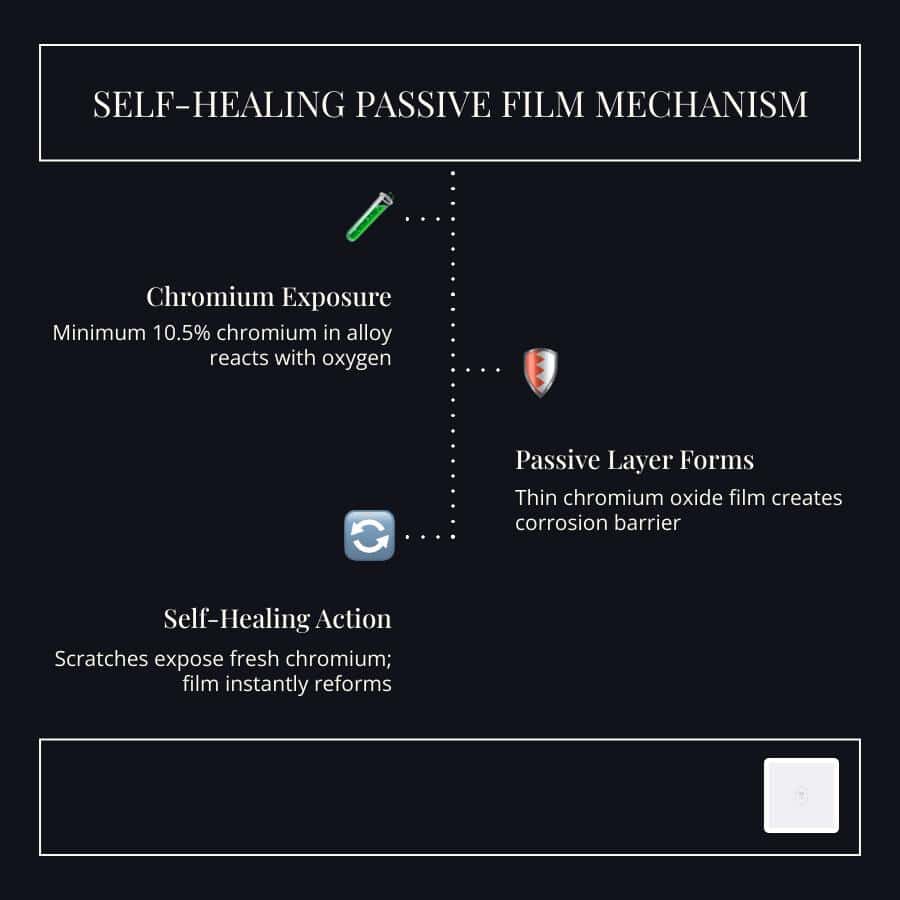
At its core, stainless steel is an iron-chromium alloy, distinguished by a minimum of 10.5% chromium. This crucial element is responsible for the phenomenon known as passivation. When chromium is exposed to oxygen, it forms a thin, invisible, and self-healing layer of chromium oxide on the steel’s surface. This passive film acts as a barrier, preventing rust and corrosion, and is what truly differentiates stainless steel from regular carbon steel. Understanding this fundamental process is key to appreciating the material’s widespread utility and resilience.
Defining the Families: The Foundation of Stainless Steel Supply
The vast array of stainless steel grades can be broadly categorized into five primary families, each defined by its unique crystalline structure and the specific alloying elements that contribute to its properties. These families form the bedrock of understanding stainless steel performance and suitability for application.
The five primary stainless steel families are:
- Austenitic: Known for excellent corrosion resistance, formability, and weldability.
- Ferritic: Offers good corrosion resistance, is magnetic, and is often more cost-effective.
- Martensitic: Characterized by high strength and hardness, often used for cutting tools.
- Duplex: Combines properties of both austenitic and ferritic steels, offering superior strength and corrosion resistance.
- Precipitation Hardening (PH): Delivers very high strength through a specific heat treatment process.
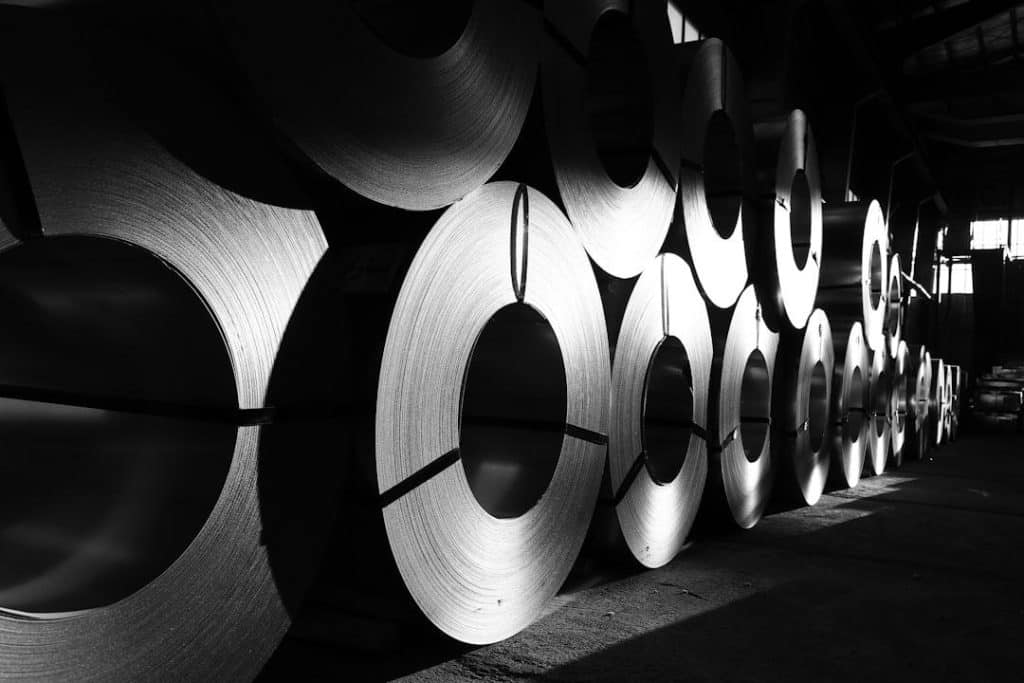
These metallurgical structures dictate everything from magnetic response to how the material reacts to heat treatment. It’s worth noting that the most widely used stainless steels are the austenitic Cr-Ni 18-8 type, which account for over 50% of global production. This popularity is a testament to their balanced properties and versatility. The material is supplied in various forms, from large rolls to precisely cut sheets, bars, and tubes, ready for diverse industrial applications.
Austenitic and Ferritic Characteristics
Austenitic stainless steels, often referred to as the 300 series, are distinguished by their high nickel content (typically 8-20%), along with chromium (16-26%), and sometimes additions of manganese and nitrogen. This composition stabilizes the austenitic crystal structure, which is inherently non-magnetic when annealed. This family excels in properties such as excellent formability, making it easy to bend and shape, and superior weldability, which is crucial for complex fabrications. Their high chromium and nickel content also grants them exceptional corrosion resistance, particularly in various chemical environments. Grades like 304 and 316 are prime examples of this versatile family.
In contrast, Ferritic stainless steels, typically falling within the 400 series, derive their crystalline structure primarily from iron atoms and contain little to no nickel. Their composition, rich in chromium (10.5-27%), makes them magnetic and offers good corrosion resistance, especially against chloride stress corrosion cracking, a common issue in many industrial settings. However, they are generally less formable and weldable than their austenitic counterparts. A key advantage of ferritic stainless steels is their cost-effectiveness, largely due to the absence of expensive nickel, making them an attractive option for applications where budget is a significant factor and extreme ductility isn’t required. For more details on the properties of various alloys, this source on stainless steel alloy formulations provides useful insights.
Martensitic and Duplex Specialized Structures
Martensitic stainless steels, another segment of the 400 series, are characterized by their higher carbon content (0.15-1.2%), alongside chromium (11.5-18%). This composition allows them to be hardened and strengthened significantly through heat treatment, a process that forms a martensitic microstructure. This results in materials with very high hardness, with some grades like 420 achieving up to 50 HRC, and excellent wear resistance. These steels are magnetic and are ideal for applications requiring a sharp, durable edge, such as knives, surgical instruments, and wear-resistant components. However, their corrosion resistance is generally lower than that of austenitic or duplex steels, and they can be more challenging to weld.
Duplex stainless steels represent a more recent and increasingly popular development, offering a unique blend of properties from both austenitic and ferritic families. Their microstructure is roughly 50% austenite and 50% ferrite. This balanced composition results in materials with almost twice the yield strength of typical austenitic stainless steels and significantly enhanced resistance to stress corrosion cracking. Duplex grades also boast superior general corrosion resistance, often outperforming 304 and 316 in aggressive environments. Their high strength-to-weight ratio allows for weight reduction in structural applications, making them attractive for industries like oil and gas, chemical processing, and marine engineering. For further exploration of stainless steel properties and applications, this introduction to grades, properties, and applications is a valuable resource.
Analyzing Common Grades and Their Alloying Elements
The specific properties of any stainless steel grade are intricately linked to its chemical composition. Beyond the foundational iron and chromium, various alloying elements are introduced to fine-tune performance characteristics.
- Chromium: The most critical element, ensuring corrosion resistance through the passive layer. A minimum of 10.5% is essential.
- Nickel: Primarily found in austenitic steels, nickel stabilizes the austenitic structure, enhances ductility, toughness, and corrosion resistance, particularly in acidic environments.
- Molybdenum: A powerful alloying element that significantly improves pitting and crevice corrosion resistance, especially in chloride-rich environments like seawater. It also enhances high-temperature strength.
- Titanium and Niobium: These elements are added to some grades (e.g., 321, 347) to stabilize carbon, preventing carbide precipitation during welding and thus enhancing intergranular corrosion resistance.
- Copper: Can improve corrosion resistance in certain reducing acids and is found in some precipitation-hardening and duplex grades. For more on how copper can modify steel properties, refer to this resource on copper and other alloying elements.
These elements work synergistically to provide specific attributes like enhanced pitting resistance, improved oxidation resistance at high temperatures, and better mechanical strength.
Here’s a comparison of some common grades:
Grade Corrosion Resistance Strength (Typical) Magnetic Properties Key Characteristics 304 Excellent Good Non-magnetic (annealed) Versatile, good formability & weldability, common in food/medical 316 Superior (to 304) Good Non-magnetic (annealed) Molybdenum for chloride resistance, marine & chemical applications 420 Moderate Very High Magnetic High hardness & wear resistance, heat treatable, for blades & tools How does a reliable stainless steel supply differ from regular carbon steel?
The fundamental difference between stainless steel and regular carbon steel lies in their interaction with oxygen. Regular carbon steel, typically an alloy of iron and carbon, is highly susceptible to oxidation when exposed to moisture and air. This process forms iron oxide, commonly known as rust, which is a porous and flaky material that continues to degrade the steel, leading to accelerated corrosion and eventual structural failure.
In stark contrast, stainless steel’s inherent corrosion resistance stems from its minimum 10.5% chromium content. This chromium reacts with oxygen to form the passive, self-healing chromium oxide layer. This protective film prevents the underlying iron from oxidizing, effectively halting the corrosion process. This passivation means that while carbon steel requires protective coatings, frequent maintenance, or galvanization to resist rust, stainless steel maintains its integrity naturally. This translates to significantly longer lifespans, reduced maintenance requirements, and superior performance in corrosive environments, making it a more reliable and often more cost-effective choice over the lifecycle of a product or structure.
Comparing Popular Industrial Grades
Among the myriad of stainless steel grades, a few stand out due to their widespread use and specific advantages in industrial applications.
Grade 304 stainless steel is arguably the most common and versatile grade, representing 50% of the steel produced globally. It’s an austenitic steel, known for its excellent corrosion resistance, formability, and weldability. Its composition, often referred to as “18/8” (18% chromium, 8% nickel), makes it suitable for a vast range of applications, from kitchen equipment and food processing to architectural components and chemical containers.
Grade 316 stainless steel is the second most common austenitic grade and is a direct enhancement of 304. The key difference is the addition of about 2-3% molybdenum. This alloying element dramatically increases its corrosion resistance, particularly against chlorides and other aggressive environments. This makes 316 the preferred choice for marine applications, chemical processing equipment, pharmaceutical manufacturing, and medical devices where exposure to salt, acids, or other harsh chemicals is a concern. The transition from 304 to 316 due to molybdenum is a classic example of how a small compositional change yields significant performance benefits.
Grade 430 stainless steel is a popular ferritic grade. It contains 16-18% chromium but lacks nickel, making it a more economical option than 304 or 316. While its corrosion resistance is good for many indoor or mildly corrosive environments, it’s not suitable for harsh conditions. It’s magnetic and offers good formability, commonly found in appliance trim, automotive components, and kitchen utensils.
Grade 2205 stainless steel is a widely used duplex grade, known for its exceptional combination of high strength and corrosion resistance. With a composition typically around 22% chromium, 5% nickel, and 3% molybdenum, it offers superior resistance to pitting, crevice corrosion, and stress corrosion cracking compared to austenitic grades. Its high strength allows for thinner sections, leading to weight savings, making it ideal for applications in the oil and gas, chemical, and marine industries. For a deeper dive into specific grades and their characteristics, various resources are available, including those that compare 316 and 304 stainless steel.
Technical Considerations for Industrial Material Selection
Selecting the optimal stainless steel grade for industrial applications goes beyond just identifying the family or a common grade. A thorough understanding of specific technical properties is crucial to ensure the material performs reliably under operational stresses and environmental conditions. This involves evaluating mechanical properties, physical characteristics, and how the material interacts with its environment.
Key mechanical properties include:
- Tensile Strength: The maximum stress a material can withstand before breaking.
- Yield Strength: The stress at which a material begins to deform plastically.
- Ductility: The ability of a material to deform under tensile stress without fracturing, often measured by elongation. Austenitic stainless steels, for instance, exhibit exceptionally high elongations, typically 60-70%, making them highly formable.
- Cryogenic Toughness: The material’s ability to absorb energy and resist fracture at very low temperatures. Austenitic stainless steels, due to their nickel content, maintain excellent toughness at sub-zero temperatures, making them ideal for cryogenic applications. Conversely, ferritic, martensitic, and precipitation hardening steels typically lose significant toughness at low temperatures and are generally unsuitable for such environments.
- Work Hardening: The phenomenon where a material becomes stronger and harder when plastically deformed. Austenitic stainless steels exhibit a high work-hardening rate, which can be advantageous for strengthening components through cold working processes.
- Thermal Expansion and Conductivity: Important for applications involving temperature fluctuations or heat transfer. Austenitic grades generally have higher thermal expansion and lower thermal conductivity compared to ferritic grades.
The Role of Heat Treatment and Finishing
Beyond the inherent properties of a stainless steel grade, various processing techniques can further modify and enhance its performance.
Heat treatment involves controlled heating and cooling cycles to alter the microstructure and, consequently, the mechanical properties of steel.
- Annealing is used to soften the steel, improve ductility, and relieve internal stresses, often performed after cold working or welding.
- Quenching and Tempering are critical for martensitic steels, where quenching rapidly cools the steel to form a hard martensitic structure, and tempering then reduces its brittleness while retaining significant hardness.
- Precipitation Hardening (PH) involves a special low-temperature aging step that causes microscopic precipitates to form within the steel matrix, leading to very high strength with minimal distortion. This process is common for grades like 17-4 PH.
Finishing processes are equally important, especially for applications requiring specific surface characteristics.
- Electropolishing is an electrochemical process that removes a microscopic layer of material from the surface, resulting in a smoother, brighter, and more passive finish. This process significantly reduces surface roughness, making the material easier to clean and sterilize. For hygienic applications, such as those in the food, pharmaceutical, and medical industries, electropolishing is invaluable for preventing the adhesion of surface contaminants and the formation of biofilms, ensuring superior hygiene and easier maintenance. This process is particularly beneficial for hygienic furniture applications. For more on surface finishes, this resource from Aalco on stainless steel finishes offers additional context.
Environmental Factors and Formability
The operational environment is a primary driver in stainless steel selection. We must consider:
- Operating Temperatures: Both high and low temperatures can significantly impact steel’s strength, corrosion resistance, and microstructure. Some grades, like 310, are designed for high-temperature service, while austenitic grades excel at cryogenic temperatures.
- pH Levels and Chemical Exposure: The acidity or alkalinity of the environment, along with the presence of specific chemicals (e.g., chlorides), dictates the required level of corrosion resistance.
- Stressors: Mechanical stresses, fatigue, and potential for stress corrosion cracking must be evaluated.
Formability refers to the ease with which a material can be shaped without fracturing. Austenitic steels generally offer excellent formability, allowing for complex bending and deep drawing. Machinability, the ease of cutting or removing material, varies widely. While some stainless steels can be challenging to machine due to their work-hardening characteristics, specialized grades exist. For example, Grade 416 stainless steel is known for offering an impressive 85% machinability, making it a preferred choice for applications requiring extensive machining. These manufacturing considerations directly influence production efficiency and cost.
Optimizing Your Stainless Steel Supply Chain
Navigating the complexities of stainless steel grades and ensuring a consistent, high-quality supply requires understanding the various classification systems and appreciating the material’s sustainability.
Various bodies have developed systems to classify stainless steel, helping specifiers and manufacturers communicate precise material requirements. The SAE (Society of Automotive Engineers) developed a three-digit grading system for stainless steel, where the first digit often refers to the primary alloy element. The ASTM (American Society for Testing and Materials) utilizes a six-digit system, often starting with ‘A’ for ferrous materials, followed by a sequential series of numbers. For a detailed look at how these systems classify steel, including stainless steel, this guide to SAE and ASTM standards can be quite helpful. The Unified Numbering System (UNS), a comprehensive system managed jointly by ASTM and SAE, provides a single, unambiguous designation (e.g., S30400 for 304 stainless steel) that cross-references various national and international standards. You can search for specific UNS numbers using resources like MatWeb’s UNS number search.
Stainless steel is a champion of sustainability. It is the most recycled material in the world, with an estimated 82% of used stainless steel being recycled into new steel. This high recycling rate, combined with its long service life and minimal environmental impact (e.g., preventing metal leaching), significantly contributes to a lower lifecycle cost and carbon footprint. When sourcing stainless steel, considering the recyclability and overall lifecycle performance is crucial for sustainable industrial practices. For those seeking a reliable source for their stainless steel needs, exploring a comprehensive Stainless steel supply grades can provide access to a wide range of grades and forms.
What are the benefits of using L-grade variants in a stainless steel supply?
Within the austenitic family, you’ll often encounter “L-grade” variants, such as 304L stainless steel and 316L stainless steel. The ‘L’ stands for “low carbon,” indicating a maximum carbon content of 0.03% (compared to 0.08% in standard 304 and 316). This seemingly small reduction in carbon offers significant benefits, particularly in applications involving welding.
During welding, the heat can cause chromium and carbon to combine at the grain boundaries, forming chromium carbides. This process, known as carbide precipitation or sensitization, depletes chromium from the surrounding areas, making the steel susceptible to intergranular corrosion (also called weld decay). L-grade variants, with their reduced carbon content, significantly minimize this risk. This ensures that the weld zones retain their full corrosion resistance and structural integrity, making 304L and 316L indispensable for welded assemblies that will operate in corrosive environments. They are especially beneficial for manufacturing hygienic furniture and equipment where robust, corrosion-resistant welds are paramount.
Navigating International Grading Standards
The global nature of manufacturing means that stainless steel grades are often designated by various national and international standards. While the American Iron and Steel Institute (AISI) three-digit system (e.g., 304, 316) remains widely recognized, other systems are equally prevalent and important.
- BS (British Standards) and EN (Euronorm) Standards: Commonly used in Europe, these systems often employ alphanumeric designations (e.g., 1.4301 for 304, 1.4401 for 316). For detailed compositions under these standards, resources like the BS EN Stainless Steel Compositions are essential.
- JIS (Japanese Industrial Standards): Used in Japan, these also provide specific designations for stainless steel grades.
- ISO (International Organization for Standardization): A global body that develops international standards across various industries.
Understanding these different systems and their corresponding composition requirements is crucial for ensuring material certification and traceability throughout the supply chain. Reputable suppliers provide comprehensive documentation that cross-references these standards, guaranteeing that the material supplied meets the exact specifications required for your project and adheres to stringent quality assurance protocols. This meticulous approach prevents material mismatches and ensures the long-term performance and safety of industrial applications.
Frequently Asked Questions about Stainless Steel Grades
Which stainless steel grade is best for high-hardness applications?
For applications demanding exceptional hardness, wear resistance, and the ability to hold a sharp edge, martensitic stainless steels are the top choice. Grades like 420 stainless steel and 440 stainless steel are specifically engineered for these characteristics. Grade 420, for instance, can achieve hardness levels up to 50 HRC (Rockwell Hardness C scale) after appropriate heat treatment. This makes it ideal for manufacturing surgical instruments, high-quality cutlery, razor blades, and various industrial tools where edge retention and resistance to abrasion are critical. While their corrosion resistance is generally moderate compared to austenitic grades, their superior hardness makes them indispensable for heavy-duty, wear-intensive applications.
Is all stainless steel non-magnetic?
No, not all stainless steel is non-magnetic. The magnetic properties of stainless steel depend heavily on its metallurgical structure, which is determined by its alloying elements.
- Austenitic stainless steels (the 300 series, like 304 and 316) are inherently non-magnetic in their annealed state. This is due to their face-centered cubic crystal structure. However, it’s important to note that cold working (processes like bending, drawing, or rolling) can induce a limited degree of magnetism in some austenitic grades by transforming a small portion of the austenite into martensite. Grades 310 and 316 are generally more stable and less prone to becoming magnetic after cold working.
- Ferritic stainless steels (like 430 and 409) are magnetic because they have a body-centered cubic crystal structure, similar to plain carbon steel.
- Martensitic stainless steels (like 410 and 420) are also magnetic, as their structure is a form of body-centered tetragonal (or cubic) iron.
- Duplex stainless steels, by their very nature, contain a mixture of both austenitic and ferritic phases, making them magnetic.
- Precipitation hardening stainless steels are also magnetic.
Therefore, if a non-magnetic material is a critical requirement for an application, specific austenitic grades in their annealed condition should be carefully selected, and cold working effects should be considered. For further information on magnetic permeability in stainless steels, this resource from Aalco can be consulted.
Why is molybdenum added to certain stainless steel grades?
Molybdenum is a powerful and highly beneficial alloying element added to certain stainless steel grades primarily to enhance their corrosion resistance, especially against pitting and crevice corrosion. This is particularly crucial in environments containing chloride ions, such as seawater, brackish water, or chemical processing solutions.
The most common example is the transformation of Grade 304 to Grade 316 stainless steel through the addition of 2-3% molybdenum. Without molybdenum, 304 is susceptible to pitting in chloride-rich environments. Molybdenum helps to stabilize the passive layer, making it more resistant to localized breakdown caused by chlorides. Grades like 317 stainless steel and many duplex and super-austenitic grades contain even higher percentages of molybdenum to achieve superior resistance in extremely aggressive chemical conditions. Beyond improved resistance to chloride-induced corrosion, molybdenum also contributes to enhanced high-temperature strength and creep resistance, making these grades suitable for demanding industrial applications. The inclusion of molybdenum, being a relatively expensive element, directly influences the alloy surcharge factors and overall cost of the material, reflecting its significant contribution to performance.
Conclusion
Understanding the intricate world of stainless steel grades is paramount for successful industrial applications in 2026 and beyond. We’ve explored how the fundamental composition, particularly the minimum 10.5% chromium content, establishes the material’s corrosion resistance through passivation. The five primary families—austenitic, ferritic, martensitic, duplex, and precipitation hardening—each offer a unique blend of mechanical properties, magnetic responses, and environmental suitability.
From the versatile and highly recycled 304 to the chloride-resistant 316, the hard-wearing 420, and the robust duplex grades, each material is a testament to precise metallurgical engineering. Considerations like heat treatment, surface finishing (e.g., electropolishing), and the benefits of low-carbon ‘L-grade’ variants further refine material selection for optimal performance. Navigating diverse grading systems and appreciating stainless steel’s impressive 82% recycling rate underscores the importance of sustainable and informed sourcing.
The right material selection is a balance of performance optimization, cost-efficiency, and adherence to industrial standards. By leveraging this knowledge, engineers and procurement specialists can make confident decisions, ensuring the longevity, reliability, and success of their projects. When in doubt, consulting with experts in stainless steel supply can provide invaluable guidance for your specific requirements.