

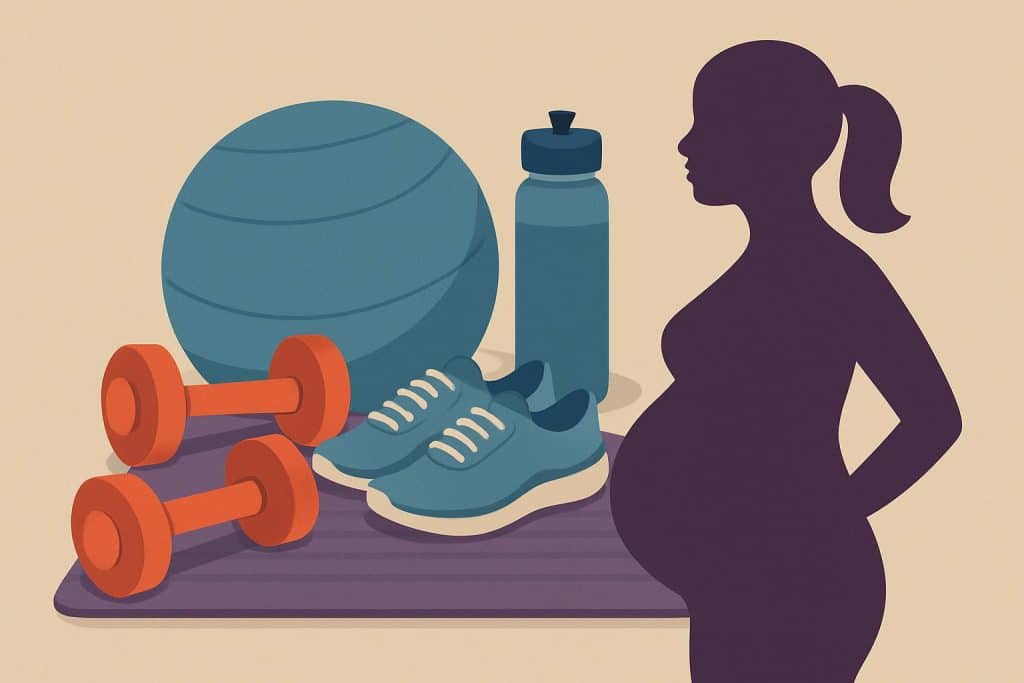
Physical activity during pregnancy carries real, measurable benefits for both the expecting parent and the growing baby. That said, not every workout that felt fine before conception stays appropriate once those two pink lines appear.
Certain exercises introduce risks that often go unnoticed, whether from joint instability, core pressure, or rising body temperature. Understanding which movements still belong in a routine (and which ones need to go) matters more than most people realize. Here is what current guidance says about staying active across all three trimesters.
How Pregnancy Changes the Body’s Response to Exercise
Expectant parents interested in safe prenatal yoga sessions often find that guided instruction helps them adapt familiar poses for each trimester safely because the body does not process physical effort the same way once pregnancy begins.
A hormone called relaxin loosens ligaments and softens joints, which raises the likelihood of sprains or overstretching. Blood volume increases by nearly 50%, altering heart rate and breathing patterns during movement.
As the belly expands, the center of gravity shifts forward, making balance less reliable. None of this means fitness should stop altogether. It does mean that the type, intensity, and length of each session need regular reassessment as the weeks go by.
Low-Impact Activities That Support Prenatal Health
Controlled, gentle forms of movement tend to carry the lowest risk for most pregnancies. Walking, swimming, and stationary cycling keep cardiovascular health on track without overloading the joints. Prenatal yoga has become especially popular because it pairs flexibility work with breathing techniques useful during labor. Light strength training with reduced loads also preserves muscle tone, as long as proper form is maintained and excessive core pressure is avoided.
Exercises to Avoid or Modify
High-Impact and Contact Sports
Sports like kickboxing, basketball, and horseback riding create a direct threat of abdominal trauma. The shifted center of gravity makes falls far more probable than they were before pregnancy. Even activities that once felt second nature can turn risky beyond the first trimester.
Movements That Involve Lying Flat on the Back
After about 20 weeks, the supine position can compress the vena cava, one of the body’s major veins. That compression limits blood flow to the uterus and may trigger dizziness or nausea. Standard crunches and flat bench presses should be replaced with inclined or seated variations instead.
Overheating Risks
Hot yoga and outdoor cardio in warm weather push core temperature up quickly. Research has connected sustained overheating in the first trimester to neural tube complications in some cases. Exercising in a cool, well-ventilated space and drinking plenty of water throughout each session helps keep this risk low.
Signs That a Workout Needs to Stop Immediately
Some warning signals during exercise require immediate attention. Vaginal bleeding, ongoing contractions, or any fluid leakage should lead to an immediate pause and a call to a care provider. Chest tightness, a severe headache, or sudden swelling in the hands or face also call for stopping without delay. Feeling lightheaded or unusually breathless beyond what is typical with exertion is another clear signal. Respecting those cues, rather than powering through discomfort, protects both parent and baby.
Building a Trimester-Specific Fitness Plan
Each phase of pregnancy asks for its own set of adjustments. In the first trimester, most established routines can continue at a moderate pace, assuming no complications. The second trimester often brings the most comfort for physical activity, though balance-related modifications become important. By the third trimester, shorter sessions paired with longer recovery breaks tend to feel best. A qualified prenatal fitness instructor or midwife can tailor a plan to an individual’s health history and how the pregnancy progresses week by week.
The Role of Medical Guidance
No article, however thorough, replaces a direct conversation with a healthcare provider. Conditions such as preeclampsia, placenta previa, or a history of preterm labor may call for strict limits on activity. Receiving medical clearance before beginning or continuing any fitness routine is essential. Ongoing check-ins enable timely adjustments as each stage of the pregnancy unfolds.
Conclusion
Prenatal fitness, handled thoughtfully, supports a healthier pregnancy and a smoother postpartum recovery. The real priority is selecting activities that align with the body’s shifting needs while stepping away from movements that carry avoidable risk. Speaking with a medical professional before making any fitness decisions adds a meaningful layer of safety. With careful planning, staying active throughout all three trimesters can be both safe and genuinely rewarding.