

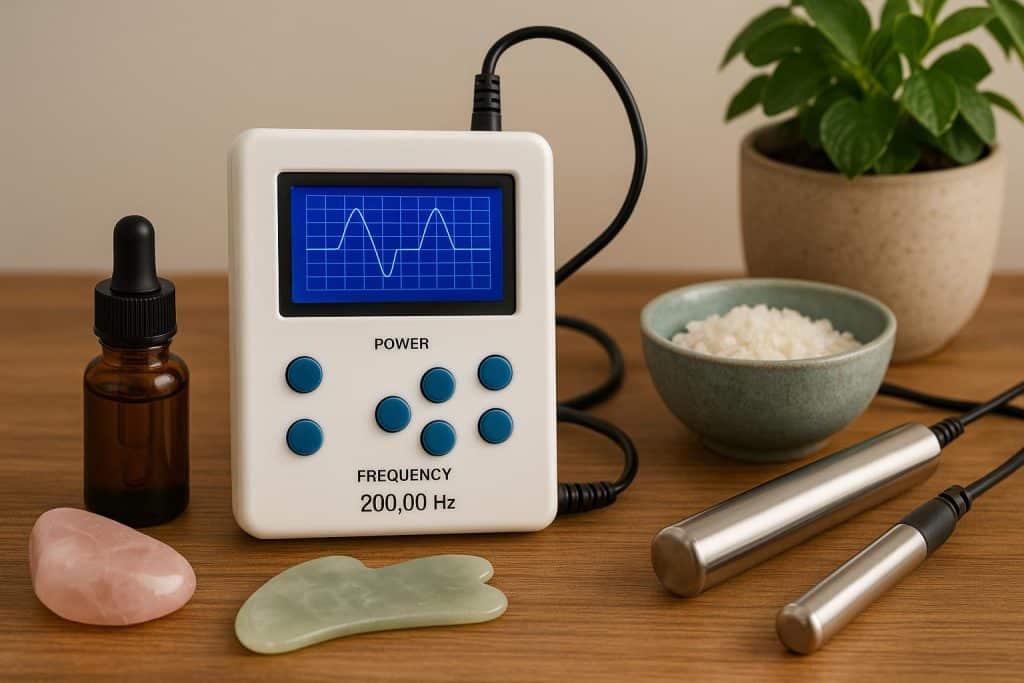
Interest in bioelectric and frequency-based wellness has grown steadily over the past decade. From red light therapy to PEMF mats and wearable nerve stimulators, more people are exploring how subtle electrical and electromagnetic signals interact with the body. One of the oldest — and most debated — entries in this category is Rife frequency therapy, a practice that traces its roots back to the work of American inventor Royal Raymond Rife in the 1930s. Nearly a century later, modern software has made Rife’s ideas more accessible than ever, and a new generation of curious users is asking the same question: where do I start?
A Brief History of Rife Frequencies
Royal Rife was a microscopist and engineer who became known for his theory that every microorganism and tissue type has a characteristic resonant frequency. He proposed that by exposing the body to those frequencies through low-energy electromagnetic signals, one could encourage balance at a cellular level. While Rife’s clinical claims remain controversial and his work sits firmly outside conventional medicine, the underlying idea — that biology responds to specific frequencies — has continued to inspire researchers, engineers, and wellness practitioners worldwide.
Today, Rife enthusiasts typically use small electronic devices, contact pads, or audio-based software to deliver carefully selected frequencies. The hardware has shrunk, the interfaces have modernized, and the libraries of frequencies have grown into the tens of thousands.
Why Frequency-Based Wellness Is Trending Again
Several converging trends are pushing bioelectric wellness back into the spotlight:
- Consumer demand for non-pharmaceutical self-care options has surged as people look for complementary tools to support sleep, stress, recovery, and general vitality.
- Wearables and home devices have normalized the idea of using technology to monitor and influence the body — from heart rate variability rings to vagus nerve stimulators.
- Open access to information has demystified once-obscure modalities. Forums, podcasts, and educational videos now walk newcomers through concepts that were locked behind expensive equipment a decade ago.
- Software-first hardware has dramatically lowered the price of entry. A laptop, a phone, or a tablet can now drive a Rife session that previously required a dedicated machine costing thousands of dollars.
What to Look For in a Modern Rife Tool
If you are exploring frequency-based wellness for the first time, the sheer number of products and protocols can be overwhelming. A few practical criteria make the landscape easier to navigate:
- Transparent frequency libraries. Reputable tools tell you exactly which frequencies are being played, where they came from, and let you customize sessions rather than locking you into black-box “programs.”
- Simultaneous multi-frequency playback. Many traditional Rife setups play one frequency at a time. Newer software can layer multiple frequencies in parallel, which more closely mirrors how complex biological systems are believed to respond.
- Educational context. The best platforms pair their tools with research notes, history, and safety guidance instead of overstating health claims.
- Cross-platform support. A good rife frequency app should run on the devices you already own — desktop, mobile, and tablet — so that sessions fit naturally into your daily routine rather than demanding a dedicated workstation.
Why the Underlying Database Matters
One of the most underrated aspects of any frequency-based wellness tool is the quality of its underlying dataset. Over the decades, practitioners, engineers, and researchers have compiled extensive collections of frequencies associated with different conditions, organs, and biological processes. Some lists come from Rife’s original notes, while others draw from later contributors such as Dr. Hulda Clark, the CAFL (Consolidated Annotated Frequency List), and modern community-curated archives.
A well-maintained rife database gives users two important advantages. First, it offers traceability — you can see where a given frequency set originated and how it has been used historically. Second, it allows for personalization: instead of being limited to a handful of preset programs, users can search, combine, and refine sessions based on their own goals. For newcomers in particular, this transparency is what separates a serious wellness platform from a novelty app.
Sensible Expectations and Safety
Frequency-based wellness should be approached the same way as any other complementary practice: with curiosity, patience, and realistic expectations. Rife sessions are not a substitute for medical care, and anyone managing a diagnosed condition should coordinate with a qualified healthcare provider before adding new modalities to their routine. Pregnant individuals, people with implanted electronic devices such as pacemakers, and those with seizure disorders should be especially cautious and seek professional guidance first.
Used thoughtfully, however, Rife software can be a low-cost, low-risk way to explore how your body responds to gentle frequency input — alongside the fundamentals of good sleep, movement, hydration, and stress management that underpin any wellness practice.
Getting Started
If you are simply curious, start small. Pick one or two well-documented frequency sets, run shorter sessions, and pay attention to how you feel over the following days. Keep a simple journal: time of session, frequencies used, and any changes in sleep, energy, or mood. Over time, that personal data — more than any marketing claim — will tell you whether frequency-based wellness has a place in your routine.
Rife’s original vision was a future where people could understand and influence their own biology through resonance. Whether or not modern science ultimately validates every aspect of that vision, the tools available today make it easier than ever for the curious to explore it responsibly — on their own terms, at their own pace.
About the Contributor
This article was contributed by the team at RifePlayer, an independent software platform focused on accessible, transparent Rife frequency tools and a curated, community-supported frequency database. Learn more at rifeplayer.com.