

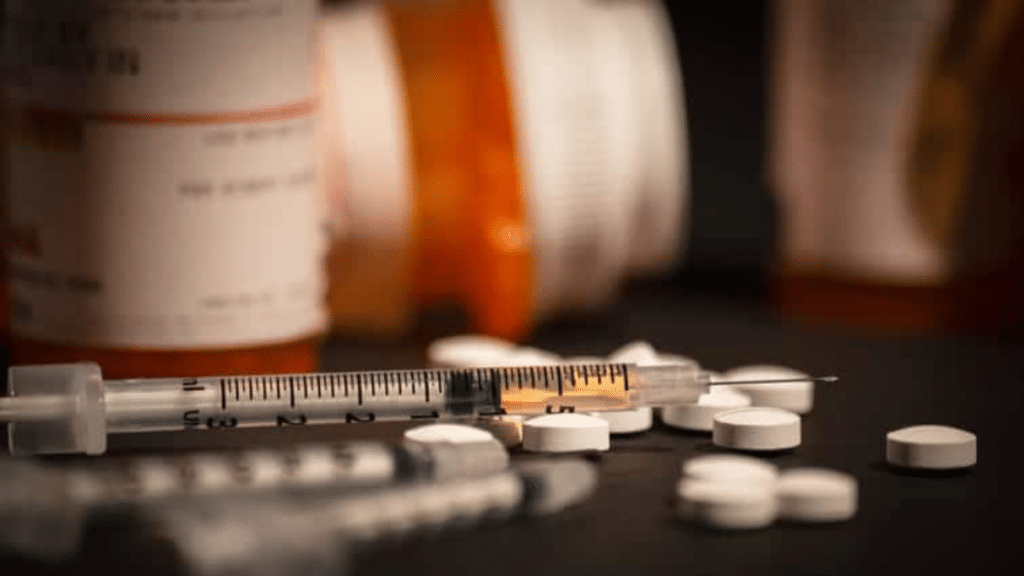
Opioid addiction has become a national crisis, affecting millions of individuals and families across the United States. From prescription painkillers to illicit substances like heroin and fentanyl, opioids are powerful drugs that can hijack the brain’s reward system, leading to intense physical and psychological dependence.
This article outlines how breaking free from opioid addiction is not just a matter of willpower—it’s a complex journey rooted in science, support, and evidence-based treatment.
Understanding Opioid Addiction
Opioids interact with the brain by binding to specific receptors that control pain and emotion. When used repeatedly, the brain becomes reliant on the drug to produce feelings of well-being. Over time, natural production of endorphins—the body’s pain-relieving chemicals—diminishes, causing users to experience withdrawal symptoms when not using the drug. These symptoms can include anxiety, muscle pain, insomnia, and nausea, making it incredibly difficult for individuals to stop without help.
Moreover, opioid addiction changes the brain’s structure and function, particularly in areas responsible for judgment, decision-making, and behavior control. This makes recovery especially challenging without a scientific, structured approach.
Medication-Assisted Treatment (MAT)
One of the most effective tools in combating opioid addiction is medication-assisted treatment (MAT). MAT combines FDA-approved medications with counseling and behavioral therapies to treat the whole patient. Among the medications used, suboxone is one of the most common and effective.
Suboxone is a combination of buprenorphine and naloxone. Buprenorphine is a partial opioid agonist that helps reduce cravings and withdrawal symptoms without producing the intense high associated with opioids. Naloxone, on the other hand, is an opioid antagonist that blocks the effects of opioids, further reducing the potential for misuse.
Studies have shown that MAT significantly increases retention in treatment, reduces illicit opioid use, and decreases the risk of overdose and death. It also supports long-term recovery by stabilizing brain chemistry and allowing patients to engage in therapy and rebuild their lives.
The Role of Counseling and Therapy
While medications like suboxone are crucial, they are only one part of the recovery equation. Behavioral therapies help individuals understand the root causes of their addiction, develop coping strategies, and build a support network. Cognitive-behavioral therapy (CBT), contingency management, and group counseling are commonly used approaches that have shown strong results.
Therapy also addresses co-occurring mental health disorders, such as depression and anxiety, which often accompany substance use disorders. Treating these conditions concurrently is essential for lasting recovery.
Accessing the Right Help
Recovery from opioid addiction is a deeply personal journey, but it doesn’t have to be taken alone. Finding professional support is critical, and it often starts with locating the right treatment facility. For those seeking compassionate, science-based care, exploring options like suboxone clinics near me can be a transformative first step.
These clinics specialize in MAT and provide comprehensive care tailored to individual needs. With the right medical supervision, counseling, and community support, individuals struggling with opioid addiction can find a path forward.
Hope Through Science and Support
Recovery from opioid addiction is possible. Science has given us tools like suboxone and behavioral therapy that can dramatically improve outcomes. Combined with a strong support system and professional care, these treatments empower individuals to reclaim their lives from addiction. The journey is not easy, but with the right help, healing is within reach.