

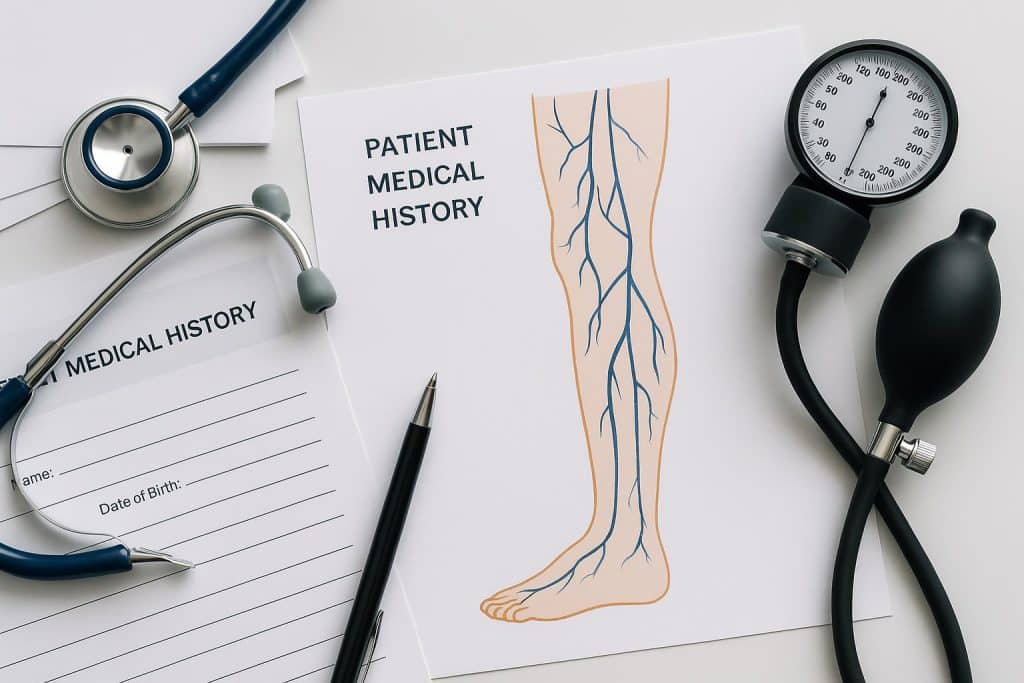
A first visit for vein concerns does much more than confirm visible varicose veins. Board-certified specialists assess symptoms, blood flow patterns, tissue changes, and factors that can disturb normal venous return. That opening evaluation helps separate cosmetic findings from medical disease. It also clarifies whether aching, swelling, heaviness, or skin discoloration may indicate valve failure, a history of clots, pressure buildup, or another circulation problem requiring timely care.
Why Credentials Count
Training matters early, because the first appointment sets the clinical direction. A thorough evaluation often combines symptom history, leg examination, and duplex imaging, which provides a fuller picture before treatment choices are made. Patients seeking to get treated by board-certified specialists at El Paso Vein Doc often want that disciplined process, where findings are interpreted with caution and linked to physiology rather than appearance alone.
Symptom Review
Symptoms usually guide the opening questions. Specialists ask about aching, throbbing, burning, itching, nighttime cramping, heaviness, or fatigue after standing. Some patients notice worse discomfort late in the day. Others feel pressure after long sitting. That pattern helps distinguish venous disease from arthritis, nerve irritation, tendon strain, or muscle soreness, which can create similar complaints but follow a different clinical course.
Medical History
History often explains why veins begin to fail. Clinicians review prior pregnancy, family patterns, blood clots, leg trauma, surgery, and work that requires prolonged standing or sitting. Weight change may also influence the pressure within the lower-extremity veins. Current medicines are checked as well. Those details help estimate whether chronic venous insufficiency, post-thrombotic damage, or another vascular issue is more likely.
Visible Veins and Skin
The physical examination starts with careful inspection of both legs. Enlarged surface veins, ankle clusters, winding bulges, and fine spider vessels each offer useful clues. Skin findings matter just as much. Brown staining, redness, dryness, thick texture, or slow-healing ulcers can signal longstanding venous hypertension. A trained eye reads those changes as evidence of tissue stress, not just appearance.
Swelling Patterns
Swelling is assessed with more nuance than many patients expect. The specialist looks at location, side-to-side difference, firmness, and whether pressure leaves a pit in the skin. Ankle edema may suggest venous valve dysfunction. Calf fullness can point elsewhere. Warmth, tenderness, and asymmetry also matter because those features can shift concern toward clotting, lymphatic trouble, or inflammation.
Pulses and Circulation
A vein visit still includes arterial screening. Pulses at the feet and ankles are often checked to confirm that oxygen-rich blood is adequately reaching the tissues. Skin temperature may be compared during that step. Reduced arterial flow can limit safe treatment choices. For that reason, a sound first evaluation considers the whole circulation picture rather than the veins in isolation.
Ultrasound Mapping
Duplex ultrasound is often the most informative part of the first visit. It shows whether the venous valves close completely or allow blood to flow backward under gravity. That reverse movement, called reflux, can produce pressure, aching, swelling, and visible bulging. Imaging also checks for blockage or a clot. Many practices complete this study during the appointment, then explain the map right away.
Why Imaging Matters
Surface appearance rarely tells the whole story. A leg may show mild external change while deeper reflux drives significant symptoms. Ultrasound connects anatomy with complaints and helps the specialist judge source, extent, and severity with far less guesswork.
Diagnosis Discussion
After the examination, the specialist explains the findings in plain language. Patients may hear terms such as venous reflux, superficial varicosities, or chronic venous insufficiency. What matters most is the link between symptoms and objective evidence. A strong visit leaves patients knowing what was identified, what was excluded, and why the diagnosis matches the pattern seen in the legs.
Treatment Planning
Treatment plans usually follow the condition uncovered during evaluation. Some patients begin with compression stockings, walking habits, leg elevation, or weight reduction to lower venous pressure. Others qualify for minimally invasive procedures because reflux, skin injury, or daily pain is already established. Timing depends on severity, imaging results, and insurance rules. The best plan fits the disease at hand, rather than forcing a single approach on everyone.
Questions and Next Steps
Time for questions is an important part of a good first visit. Patients often ask whether work can continue, how recovery feels, and how long treatment may take. Insurance requirements may be reviewed during that discussion. Follow-up timing is usually arranged before departure. Clear next steps reduce uncertainty and help patients make informed choices with greater confidence.
Conclusion
A board-certified vein specialist examines much more than bulging veins at the first appointment. Symptoms, medical history, skin changes, swelling, pulse findings, and ultrasound results all shape the clinical picture. Each element adds evidence that guides diagnosis and next steps. For patients experiencing heaviness, fatigue, ankle discoloration, or leg pain, that structured review can determine whether the issue is cosmetic, medical, or both.