

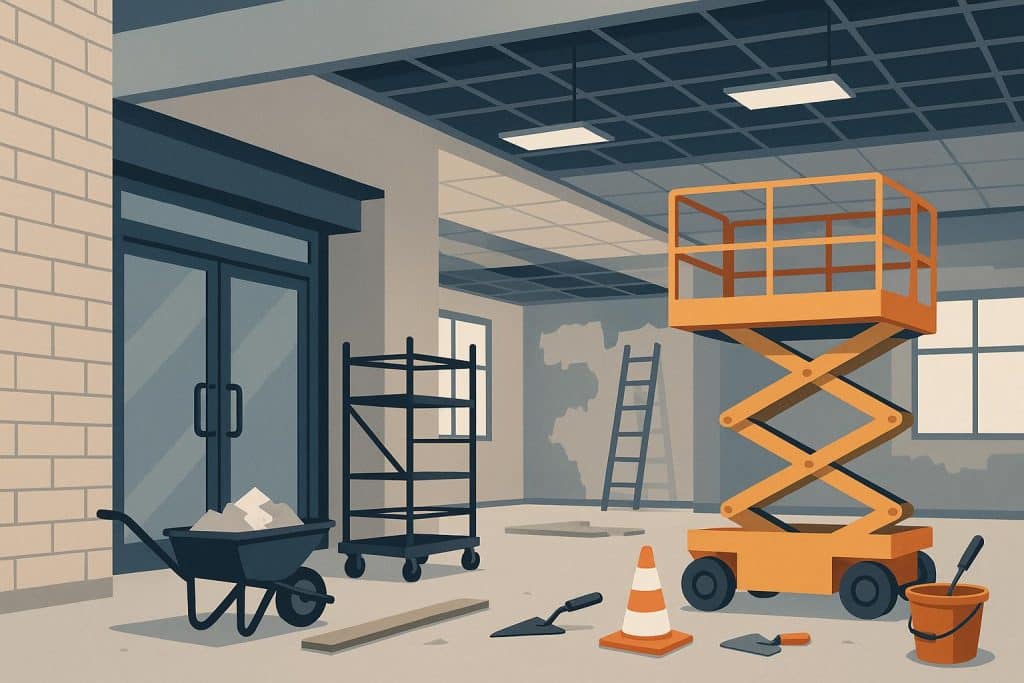
Commercial building renovations are more than just a facelift—they are an opportunity to improve functionality, efficiency, and overall value. Whether you’re updating an office, retail space, or warehouse, a well-planned renovation can enhance employee productivity, attract customers, and increase property value. Here are key tips to guide a successful commercial renovation project.
1. Assess Your Space and Set Goals
Before picking up a hammer, take a close look at your building. Identify areas that need improvement, whether it’s outdated interiors, inefficient layouts, or worn-out systems like HVAC or electrical. Setting clear goals helps guide decisions throughout the renovation process. Ask yourself:
- Are you aiming to modernize aesthetics?
- Do you need to improve energy efficiency?
- Are you expanding to accommodate growth?
Understanding your objectives ensures that every renovation step aligns with your broader vision.
2. Prioritize Structural and System Updates
A beautiful space is useless if the underlying structure or systems are failing. Inspect the building for foundational issues, roof integrity, plumbing, and electrical systems. Don’t overlook HVAC systems—reliable heating and cooling are crucial for comfort and efficiency. For instance, addressing furnace repair in Sandy early can prevent costly disruptions later, keeping your building safe and comfortable for tenants or employees.
3. Plan Your Layout for Functionality
Commercial renovations aren’t just about appearances—they’re about making spaces work better. Consider traffic flow, storage needs, and workflow efficiency. Open floor plans can create a modern, collaborative environment, while private areas may still be needed for meetings or focused work. A well-thought-out layout not only improves usability but can also reduce long-term operating costs.
4. Focus on Energy Efficiency
Renovations are the perfect opportunity to upgrade to energy-efficient systems. Replace old lighting with LED fixtures, install smart thermostats, and invest in high-quality insulation. Energy-efficient upgrades reduce utility bills and demonstrate a commitment to sustainability—a factor increasingly valued by tenants and customers alike.
5. Choose Durable, Modern Materials
Commercial spaces experience heavy use, so durability is key. Flooring, wall finishes, and furniture should withstand wear while maintaining a professional appearance. Materials like vinyl, laminate, and treated hardwood offer longevity, while modern finishes can give your space a fresh, contemporary feel.
6. Enhance Aesthetics with Strategic Design
A renovation should reflect your brand and vision. Use colors, textures, and lighting to create an inviting atmosphere. Signage, artwork, and greenery can further enhance the space. Even minor upgrades like replacing outdated doors, windows, or hardware can dramatically improve the first impression your building makes.
7. Plan for Technology Integration
Modern businesses rely on technology. Incorporate updated networking infrastructure, charging stations, and smart systems during your renovation. Planning these upgrades in advance ensures seamless integration without disruptive, last-minute modifications.
8. Work with Experienced Professionals
Commercial renovations are complex and require expertise. Hiring skilled architects, contractors, and designers ensures that the project meets building codes, safety standards, and your specific requirements. Professionals can also provide insights on cost-effective solutions, energy-efficient upgrades, and emerging design trends.
9. Set a Realistic Budget and Timeline
Renovations often face unexpected challenges, so plan a realistic budget with a contingency fund. Establish a clear timeline for each phase of the project, and maintain regular communication with your team to prevent delays. Being proactive can save both time and money.
10. Don’t Forget Maintenance Considerations
Once renovations are complete, regular maintenance ensures your investment lasts. Keep heating and cooling systems in check, schedule routine inspections, and address minor issues promptly. For example, if your building is in Sandy, scheduling timely furnace repair in Sandy can prevent downtime and extend the life of your system.
In Conclusion
Commercial building renovations are transformative. By assessing your space, prioritizing structural and system updates, improving efficiency, and working with skilled professionals, you can create a space that is functional, attractive, and sustainable. Thoughtful planning and execution will not only enhance your building’s appearance but also improve comfort, productivity, and long-term value. Remember, even seemingly minor details, like furnace repair in Sandy, play a crucial role in ensuring your space remains comfortable and efficient for years to come.