

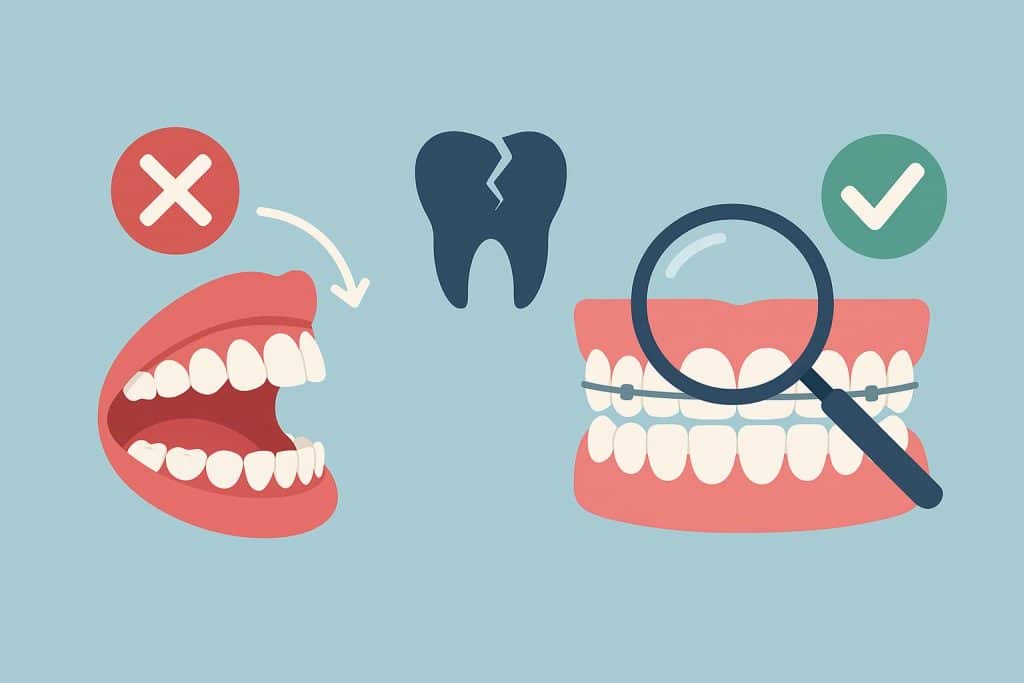
A bite in teeth plays a major role in comfort, confidence, and long-term oral health. When teeth meet properly, chewing feels natural, speech sounds clearer, and daily care becomes easier. However, many people experience bite problems that develop gradually and affect both function and appearance. These concerns may start early in life or appear later due to shifting teeth, jaw growth changes, or other factors.
When families seek guidance from an orthodontist Johns Creek, they gain access to professional evaluation and personalized care. Early assessment helps identify alignment concerns before they worsen, while timely treatment supports balanced jaw movement and improved comfort. This article explains what causes bite problems and how orthodontic treatment can help restore alignment and support lasting oral health.
Common Reasons Bite Issues Develop
Bite problems can result from several factors that influence tooth position and jaw alignment. Families across Johns Creek experience these issues for different reasons, and understanding the causes helps guide effective treatment.
Some common causes include:
- Genetics and jaw development
Inherited traits can affect jaw size, tooth spacing, and alignment. When the upper and lower jaws grow differently, bite problems such as overbite or underbite may occur. - Thumb sucking or prolonged pacifier use
These habits can place pressure on developing teeth and alter jaw growth, especially during early childhood. - Early or late loss of baby teeth
When primary teeth fall out too soon or remain too long, permanent teeth may shift into improper positions. - Crowded teeth
Limited space in the mouth can cause teeth to overlap or rotate, leading to uneven contact between upper and lower teeth. - Jaw injuries or shifting teeth over time
Accidents, tooth loss, or natural aging can change alignment and create bite concerns.
Each of these factors affects how teeth fit together and may lead to discomfort or uneven wear if left untreated.
How Misalignment Affects Daily Comfort
When teeth do not align correctly, everyday activities may become more challenging. Residents of Johns Creek sometimes notice discomfort during chewing, while others experience tension in the jaw or difficulty maintaining oral hygiene. These changes may appear subtle at first, but they can influence overall comfort over time.
Misalignment can also affect speech clarity and cause uneven pressure on certain teeth. This pressure may lead to excessive wear, sensitivity, or strain on surrounding structures. Additionally, crowded areas make brushing and flossing more difficult, which may increase the risk of future dental concerns. Addressing these issues early allows for smoother function and improved long-term stability.
Orthodontic Solutions That Restore Balance
Orthodontic care offers effective ways to correct bite problems and improve alignment. Treatment plans in Johns Creek vary depending on individual needs, but professionals commonly recommend braces, clear aligners, or other corrective appliances. These options gradually guide teeth into better positions and support balanced jaw movement.
Patients who consult an orthodontist in Johns Creek receive detailed evaluations that include digital imaging and bite analysis. This careful planning allows specialists to create customized treatment paths that focus on comfort and efficiency. Over time, gentle adjustments help reposition teeth, improve contact between upper and lower arches, and enhance overall function.
Modern orthodontic techniques also prioritize convenience and appearance. Many treatment options remain discreet and allow patients to continue their daily routines with minimal interruption. As alignment improves, chewing becomes easier, and oral care becomes more manageable.
A well-aligned bite improves comfort, function, and long-term oral health. Bite concerns may develop from genetics, habits, or shifting teeth, but professional orthodontic care offers effective correction. Patients in Johns Creek benefit from personalized treatment that enhances alignment, supports smoother jaw movement, and promotes healthier smiles with lasting confidence and stability.