

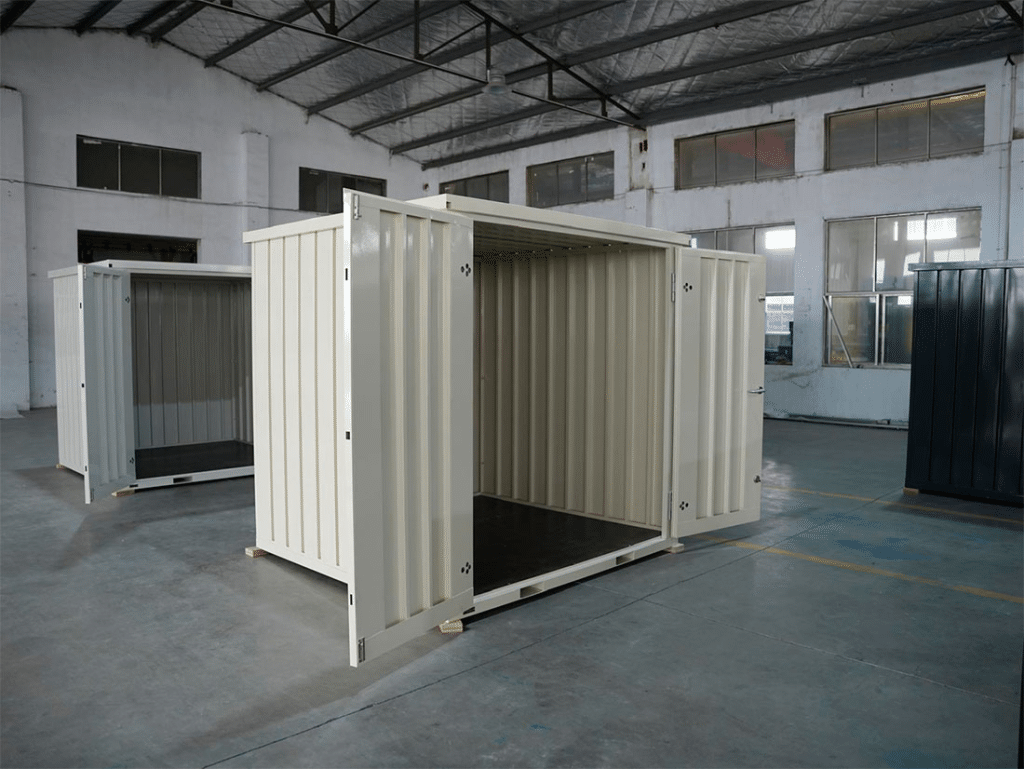
Construction sites run on timing, coordination, and control. When materials are misplaced, tools are exposed, or access to equipment is inconsistent, delays tend to follow. That is why storage is not just a convenience on active projects. It is part of the operational framework that supports safety, efficiency, and continuity from one phase of the job to the next.
As project environments become more dynamic, businesses are placing greater emphasis on storage solutions that are secure, practical, and adaptable. Jobsite storage containers have become a central part of that conversation because they help address several everyday challenges that affect project flow, workforce productivity, and asset protection.
Security Is Often the First Jobsite Concern
Theft and unauthorized access remain persistent issues across construction and industrial sites. Tools, equipment, and materials are valuable, portable, and often difficult to replace quickly once they disappear. Even a minor loss can interrupt a schedule, create replacement costs, and reduce crew efficiency while teams wait for the right equipment to arrive.
A strong storage solution helps reduce that risk by giving teams a dedicated place to secure high-value assets at the end of each day or between project phases. The best jobsite storage containers are designed to support this need with durable construction, dependable locking capability, and enough capacity to keep frequently used items organized instead of scattered across the site.
Security also affects accountability. When equipment has a clear storage location, it becomes easier to manage inventory, track use, and reduce the confusion that often develops on fast-moving projects. In that sense, storage supports both asset protection and better operational discipline.
Access and Delivery Challenges Can Disrupt the Entire Site
Not every project site is easy to work with. Urban developments may have narrow access points and limited staging areas. Infrastructure projects may involve active traffic zones or restricted delivery windows. Remote jobsites may face terrain limitations that complicate transport and placement.
These conditions make it important to choose a storage setup that fits the realities of the site rather than assuming the site will adapt to the storage unit. Size, placement flexibility, and transport logistics all matter. A container that is too large for the site or too difficult to position efficiently can create delays before it is even put to use.
That is one reason project teams often review available Jobsite Storage Containers when comparing options for transport efficiency, access planning, and deployment flexibility. The goal is not simply to add storage. It is to select a format that supports the way the site functions day to day.
Organization Has a Direct Impact on Productivity
Disorganization on a jobsite usually shows up as lost time. Crews spend extra minutes looking for tools, waiting for materials, or moving equipment that should have been stored properly in the first place. Over the course of a project, those inefficiencies add up.
Storage containers help solve that problem when they are treated as part of the workflow rather than as overflow space. A well-used unit can serve as a central hub for materials, smaller equipment, safety supplies, and project-specific tools. This makes it easier for workers to locate what they need and return items to the right place when tasks are complete.
The result is often a more predictable work environment. Teams can start faster, move with fewer interruptions, and reduce unnecessary handling. On complex or multi-phase projects, that kind of consistency supports better scheduling and helps site managers maintain control over daily operations.
Flexibility Matters as Projects Change
Construction projects rarely stay static for long. Site layouts change, storage needs expand or contract, and different phases of work may require different equipment or materials. A storage solution that works at the start of the job may need to serve a different purpose a few months later.
That is why flexibility is a major consideration when evaluating jobsite storage containers. Some businesses need storage that can support long-term use on a large site. Others need units that can be relocated, repurposed, or added as project demands change. The more adaptable the solution, the easier it becomes to align storage with actual field conditions instead of forcing operations into a rigid setup.
This is especially relevant for contractors managing multiple locations or staggered timelines. Scalable storage helps create consistency across sites while still allowing each project to respond to its own space and access constraints.
Choosing the Right Container Requires More Than a Size Decision
It is easy to think of storage as a simple matter of dimensions, but practical selection involves much more. Businesses should consider what will be stored, how often access is needed, how exposed the site is to weather, and whether the unit may need to move later. Security requirements, access conditions, and the physical flow of the site should all inform the choice.
A container that is ideal for storing tools on a compact urban project may not be the right fit for a large industrial site managing multiple trades and rotating material deliveries. Likewise, a short-term project may benefit from a different approach than a long-duration build with fixed staging zones.
The most effective evaluation process looks at storage as part of site planning rather than an afterthought. When storage supports access, security, and workflow from the beginning, it tends to deliver more value over the life of the project.
Conclusion
Storage decisions influence more than where tools and materials are kept. They affect security, productivity, site movement, and the ability of a project team to stay organized under pressure. In active job environments, the right container can reduce friction in ways that are both immediate and measurable.
For businesses looking to improve how projects operate on the ground, jobsite storage containers remain a practical solution because they help address some of the most common operational challenges without adding unnecessary complexity.
Additional Resources
For more information on related options and configurations, explore job site storage containers for sale.