

In today’s fast-paced fashion industry, consumers are increasingly seeking unique styles that reflect their individuality. This demand for exclusivity has paved the way for the rise of private label clothing. Understanding the concept of private label clothing and its significance requires delving into its intricacies, from manufacturing to consumer appeal.
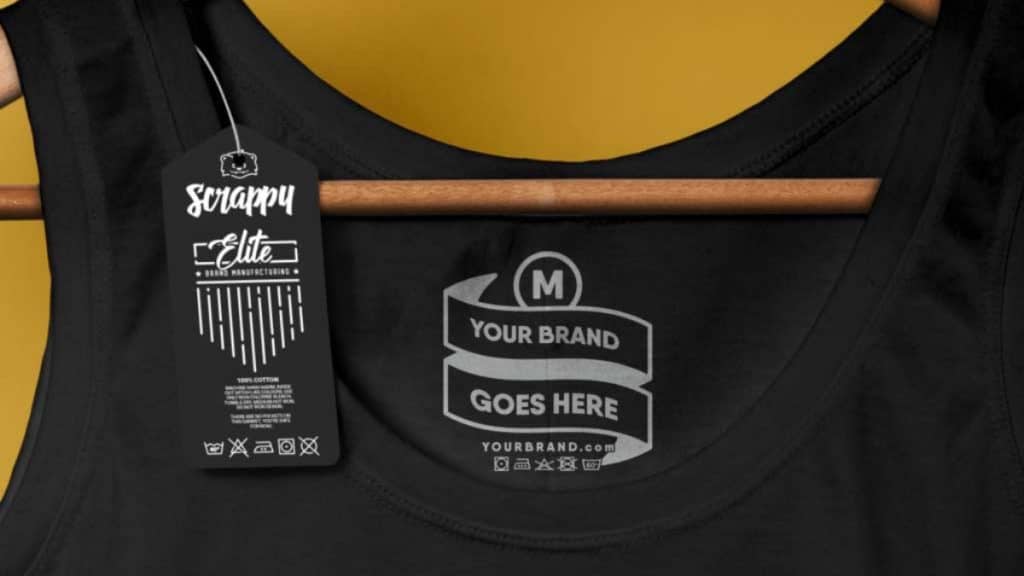
At its core, private label clothing refers to garments produced by manufacturers but sold under a retailer’s brand name. This arrangement allows retailers to offer customized designs exclusive to their stores, providing customers with a sense of exclusivity and differentiation. Key to this process is the partnership between the retailer and the private label clothing manufacturer.
Private label clothing manufacturers play a pivotal role in bringing retailers’ visions to life. These manufacturers specialize in producing garments tailored to the retailer’s specifications, encompassing everything from design and fabric selection to production and packaging. Unlike mass-produced clothing lines, private label manufacturers offer flexibility and customization, allowing retailers to create distinct collections that resonate with their target audience.
One of the primary advantages of collaborating with a private label clothing manufacturer is the ability to maintain control over the entire production process. From the initial concept to the final product, retailers have the freedom to dictate every aspect of the garment’s creation, ensuring that it aligns with their brand identity and quality standards. This level of control enables retailers to offer unique designs that set them apart from competitors.
Moreover, partnering with a private label manufacturer allows retailers to streamline their supply chain and reduce production costs. By consolidating manufacturing activities under one roof, retailers can benefit from economies of scale and negotiate favorable pricing agreements with suppliers. This cost-saving advantage enables retailers to offer competitively priced private label clothing without compromising on quality.
In addition to cost efficiency, private label clothing offers retailers greater flexibility in responding to market trends and consumer preferences. Unlike traditional fashion brands that operate on fixed production schedules, private label manufacturers can adapt quickly to changing demands, allowing retailers to introduce new designs and styles in a timely manner. This agility is essential in today’s dynamic fashion landscape, where trends evolve rapidly, and consumer tastes are constantly evolving.
From a consumer standpoint, private label clothing offers several compelling benefits. Firstly, it provides shoppers with access to exclusive designs that cannot be found elsewhere. Whether it’s a unique pattern, silhouette, or color scheme, private label garments allow individuals to express their personal style in a way that mass-produced clothing cannot replicate. This exclusivity fosters a sense of loyalty among consumers, who value the individuality and authenticity of private label brands.
Furthermore, private label clothing often carries a perception of higher quality and craftsmanship compared to mass-produced alternatives. Because retailers have greater control over the production process, they can ensure that their private label garments meet stringent quality standards, resulting in superior durability and fit. This emphasis on quality not only enhances the overall customer experience but also reinforces the retailer’s brand reputation and credibility.
In conclusion, private label clothing represents a significant paradigm shift in the fashion industry, offering retailers and consumers alike a compelling alternative to traditional brands. By partnering with private label clothing manufacturers, retailers can create bespoke collections that reflect their unique brand identity while offering consumers exclusive designs and superior quality. As the demand for customization and individuality continues to grow, private label clothing is poised to play an increasingly influential role in shaping the future of fashion.