

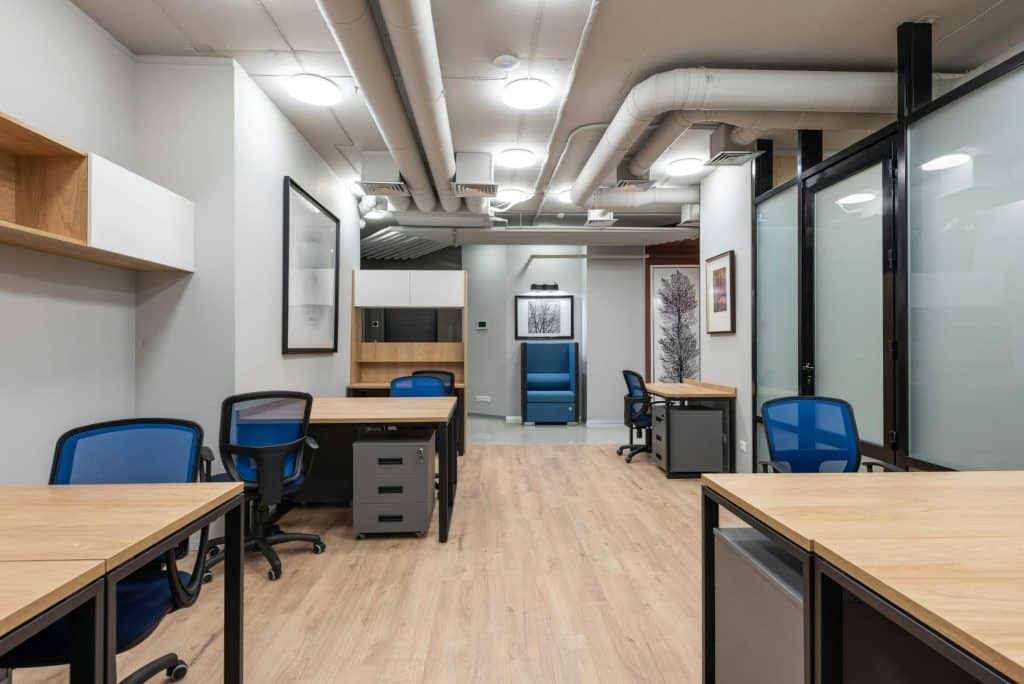
First impressions don’t take long to form, especially in a professional setting. The moment someone walks into your office, they begin to pick up on small details—the layout, the lighting, the overall feel of the space. These details come together quickly and shape how your business is perceived. A well-kept, thoughtfully designed office can signal reliability and attention to detail, while a space that feels disorganized or outdated can raise questions before any conversation even begins.
Your office interior is more than just a place to work. It reflects your standards and the way you operate. Clients, partners, and employees all respond to what they see around them, often without realizing it.
So, if you want people to walk in and think, “these people know what they’re doing,” it starts with the space they step into. Let’s break down how to make that happen.
Start from the Ground Up: Why Hardwood Flooring Works Best
Flooring might not be the first thing you think about, but it sets the base for everything else in the office. Worn-out carpets or uneven tiles can make the space feel neglected, even if the rest of the setup looks fine. People notice these details, often without realizing it.
Hardwood floors bring a clean and polished look right away. They feel solid, look professional, and fit easily with different office styles. Whether your space leans modern or more traditional, hardwood doesn’t clash. It blends in and lifts the overall appearance.
They’re also built to last. With proper care, hardwood flooring can handle years of daily use without losing its appeal. That makes it a practical choice, not just a visual one.
Working with the right professionals makes a big difference here. Partnering with the best hardwood flooring services in your area ensures the installation is done properly and the finish looks consistent across the space. It also helps you choose the right type of wood and finish for your needs, so you don’t run into issues later.
When done well, hardwood flooring does more than just cover the ground. It gives the office a sense of order and quality that people pick up on the moment they walk in.
Lighting That Sets the Right Tone
Lighting can change how an office feels in seconds. Too dim, and the place feels dull. Too harsh, and it becomes uncomfortable to sit in for long.
Natural light is always a good starting point. It makes the space feel open and active. If your office has windows, use them well. Keep them clear and let that light come in. Then add layers. Overhead lights handle the basics, but desk lamps or softer lights can balance things out. It keeps the space from feeling flat.
The goal is simple. You want people to feel alert but comfortable. When the lighting is right, everything else looks better, too. Colors show properly, and the whole space feels more alive.
Decluttered Layout for a Clear Mind
Clutter builds up fast. A few extra files here, some unused items there, and suddenly the office feels crowded. Even if the space is large, it can still feel tight.
A clean layout fixes that. Open walkways, clear desks, and organized storage make a big difference. It helps people move around easily, which matters more than you think during busy hours. There’s also a mental side to it. When the space is tidy, it’s easier to focus. People aren’t distracted by mess or searching for things.
You don’t need to strip everything down. Just keep what’s useful and remove what’s not. It’s about making the space work, not just filling it.
Furniture That Balances Style and Comfort
Office furniture has to do two jobs. It needs to look good, and it needs to feel right. One without the other doesn’t work for long.
Comfort is integral, of course. Chairs that support posture and desks at the right height make a real difference during long workdays. People notice when they can sit and work without discomfort. Then think about how it looks. Furniture should match the tone of your business. Clean lines and simple designs usually work well. They don’t distract, and they keep the space looking organized.
Focus on spacing. Too much furniture can make the office feel cramped. Too little can make it feel empty. Finding that balance keeps things practical and easy to move through.
Color Choices That Reflect Your Brand
Color shapes how a space feels, even when people don’t think about it directly. Walk into a room with soft, neutral tones, and it feels calm and steady. Walk into one filled with loud, clashing colors, and it can feel distracting.
In an office, it helps to keep things balanced. Neutral shades like white, gray, or beige create a clean base. They make the space look open and professional without trying too hard. From there, you can bring in small touches of color that match your brand.
Those accents matter. A hint of color in furniture, artwork, or even wall panels can make the space feel more intentional. It shows that the design wasn’t random. At the same time, it’s important not to overdo it. Too many bold colors can pull attention away from the work itself.
Reception Area: Your First Real Statement
The reception area is where the first real interaction happens. It’s the point where visitors stop, look around, and form a clearer opinion about your business.
A well-kept reception space feels welcoming without being overdone. Clean seating, a tidy desk, and a clear layout go a long way. It shouldn’t feel crowded or confusing. People should know where to go without asking.
Small details make a difference here. A neat sign, a bit of greenery, or even the way the seating is arranged can shape the experience. It shows that you’ve thought about how people move through the space.
A strong office interior isn’t about following trends or making bold statements. It’s about creating a space that feels right the moment someone walks in and continues to feel that way as they move through it. Each choice, from the floor to the furniture to the smallest detail, adds to that experience.
When you pay attention to these elements, the office starts to speak for you in a quiet but steady way. It builds trust, supports your team, and leaves people with a sense that everything is in place. And once that feeling settles in, it tends to stay with them long after they’ve left.