

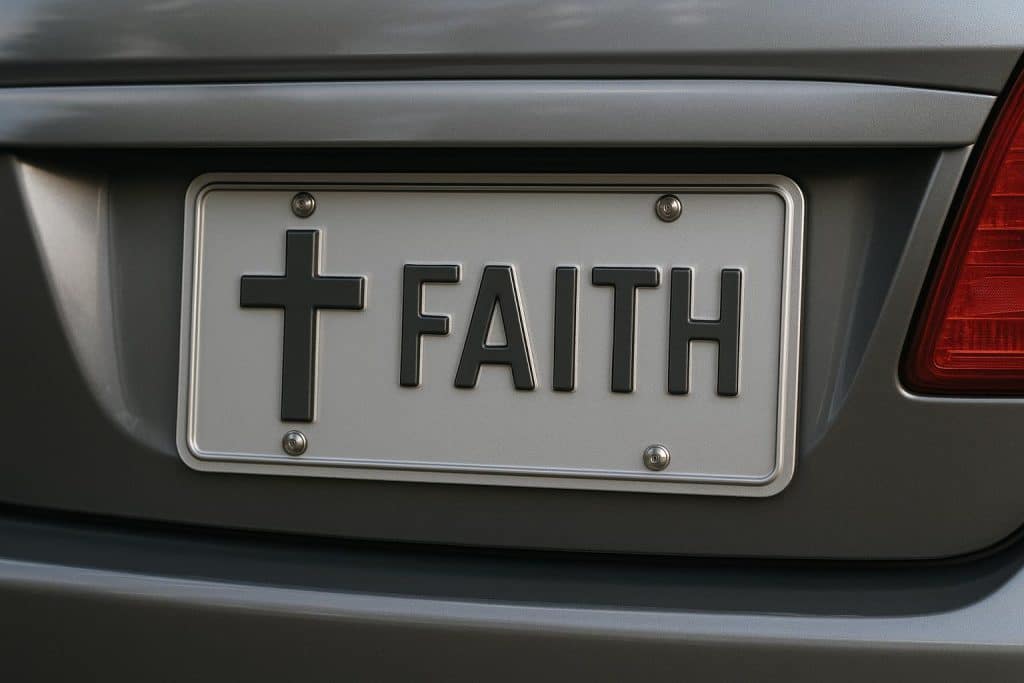
A vehicle is more than a way to get from point A to point B. For drivers whose faith shapes their daily routine, it becomes a place to share what they believe in. But picking a plate with a spiritual message takes more thought than grabbing the first design that catches the eye. It means weighing design options, understanding legal requirements, and making sure the message truly fits. Here is what to consider before making that choice.
Understanding What Faith-Based Plates Communicate
Every license plate faces outward. It is visible in parking lots, at stoplights, and on highways. That constant exposure turns a small metal rectangle into a quiet declaration. Plates displaying crosses, verse numbers, or devotional phrases reveal something personal about the owner to fellow drivers. Because of that public-facing nature, the selection process deserves real attention. The message should feel genuine rather than surface-level, and it ought to connect with how the driver actually lives out their beliefs.
Browsing collections of religious license plates is a practical way to discover options tied to specific traditions or denominations. Viewing multiple designs together makes it easier to identify which symbols, phrases, or scripture references carry personal weight. A broader initial search almost always produces a more sincere final pick than settling on the very first option that looks appealing.
Matching the Design to Personal Beliefs
Symbols vs. Text
Certain plates rely on visual icons, such as a cross, an ichthys, a Star of David, or a crescent moon. Others carry short written phrases, perhaps a psalm number or a single declaration like “Grace” or “Blessed.” The choice between imagery and language comes down to personal preference. Icons speak across linguistic boundaries, while text delivers a more focused statement.
Denominational Accuracy
Religious symbols do not carry identical meaning in every tradition. A Celtic cross holds a different significance than a Latin cross within certain Christian communities. Calligraphy styles matter on Islamic-inspired plates as well. Verifying that a chosen design aligns with one’s own denomination or practice helps avoid unintended misrepresentation.
Checking State Regulations
Each state enforces its own rules for specialty and vanity plates. Some jurisdictions offer official faith-themed options through their motor vehicle department, while others only allow personalized letter-and-number sequences. A handful of states place restrictions on messaging deemed controversial. Before purchasing a decorative plate frame or overlay, drivers should confirm local laws regarding the following:
- Approved plate dimensions and visibility standards
- Restrictions on covering standard registration details
- Application procedures for specialty plates
Staying compliant avoids unnecessary fines and keeps the plate road legal.
Prioritizing Quality and Durability
Sun, rain, snow, and road grit wear plates down fast. Low-cost materials fade in a matter of months, reducing a bold statement to an unreadable smudge. Plates made from durable aluminum or high-grade acrylic with UV-resistant coatings hold their appearance far longer. Raised lettering and weather-sealed finishes also protect clarity through seasonal changes and rough conditions.
Reflectivity and Safety
Most states require plates to meet reflectivity standards for nighttime visibility. Decorative faith-based plates should satisfy those same benchmarks. A plate that compromises road safety undermines its own purpose, regardless of how attractive the design may be.
Keeping the Message Respectful
Spiritual expression on a vehicle enters the shared public space. A plate that invites quiet curiosity or appreciation sits very differently from one that feels aggressive. Positively framed messages tend to represent faith more effectively than those criticizing other belief systems. Phrases centered on hope, gratitude, or devotion generally resonate with a wide audience while still carrying deep personal significance.
Considering Long-Term Resonance
Beliefs can shift and deepen over time. A plate chosen at twenty may no longer capture the same spiritual outlook at forty. Opting for a timeless message or a universal symbol provides more lasting satisfaction than chasing a trend-driven design. Classic scriptural references, simple iconography, and enduring devotional themes tend to age gracefully alongside the driver’s own growth.
Conclusion
Picking a faith-inspired license plate is a small yet meaningful act of personal expression. The strongest choices come from balancing sincere conviction with practical considerations such as material quality, legal compliance, and public perception. Spending time researching designs, confirming state requirements, and reflecting on what genuinely represents one’s beliefs leads to a plate that feels both honest and enduring. A careful selection transforms an ordinary object into a true reflection of what matters most.