

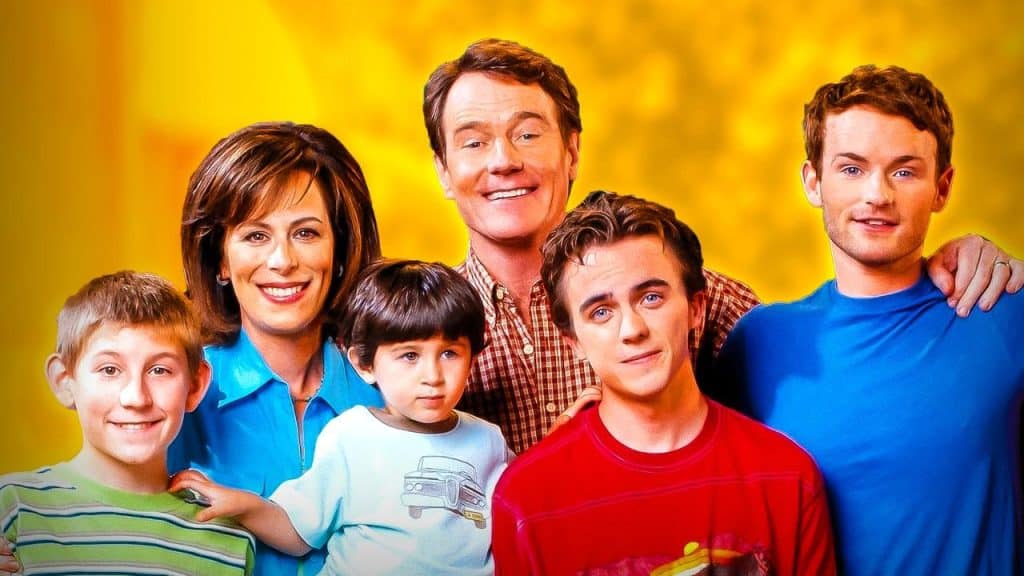
If you quit a job fifteen years ago, would you want strangers stalking you for photos today? While fans still search for reasons why did Erik Per Sullivan leave acting, a protective Malcolm in the Middle star tells paparazzi to leave original Dewey actor alone.
According to recent Frankie Muniz statements on cast member privacy, crossing this line is unacceptable. True ethical nostalgia means respecting a former star’s right to post-fame anonymity.
Malcolm In The Middle Cast: The Reality of Erik Per Sullivan’s Retirement and the ‘Where Are They Now’ Trap
When asking “where is Dewey from Malcolm in the Middle now,” we often forget that the child we watched grow up is an adult who simply chose a different path. Erik Per Sullivan quietly stepped away from Hollywood in 2010. Unlike active celebrities seeking professional promotion for an upcoming project, he completed a true civilian transition and no longer has anything to sell to the public.
Unfortunately, nostalgia creates a lucrative paparazzi market driven by parasocial entitlement—the false belief that because we “know” a beloved character, we somehow own a piece of the actor’s real life. This relentless curiosity harms retired actors because:
- It ignores their right to permanently clock out of a high-stress childhood job.
- It treats private citizens as public property.
- It disrupts their normal, everyday routines for quick internet clicks.
While fans naturally wonder about Malcolm in the Middle cast career trajectories, honoring Erik Per Sullivan retirement reasons means respecting his boundaries. This perfectly highlights how paparazzi ethics fail retired child stars—and what Frankie Muniz wants you to know.
How Paparazzi Ethics Fail Retired Child Stars—And What Frankie Muniz Wants You to Know
Stepping up to defend his former TV brother, Frankie Muniz recently highlighted the long-term psychological effects of child stardom. When a young actor walks away from Hollywood, their mental transition to a quiet, civilian life is incredibly fragile. Constantly worrying about hidden cameras shatters this hard-won peace, making it impossible to truly leave an intense childhood job behind.
The core problem lies within the murky area of paparazzi ethics and celebrity privacy guidelines. Active stars often tolerate intense press attention because they need to promote upcoming projects, but retired performers have absolutely nothing left to sell. Hunting down a private citizen who simply used to be famous twists freelance photography into an invasive pursuit.
By speaking out, Muniz draws a necessary line regarding protecting former child actors from media harassment. He reminds the public that granting his friend permanent anonymity is the highest form of appreciation. Shifting our collective mindset is the crucial first step toward transforming curiosity into respect: an action plan for ethical fanhood.
Malcolm In The Middle Cast: Transforming Curiosity into Respect: An Action Plan for Ethical Fanhood
The human stakes behind the celebrity privacy versus public right to know debate are highly personal. By consciously ignoring nostalgic clickbait, fans practice ethical clicking. This simple shift helps former stars managing fame and mental health finally find peace.
Rather than treating private lives as public entertainment, support retired performers by respecting their silence. Stepping away from the spotlight should guarantee a permanent return to a normal, unbothered life.