

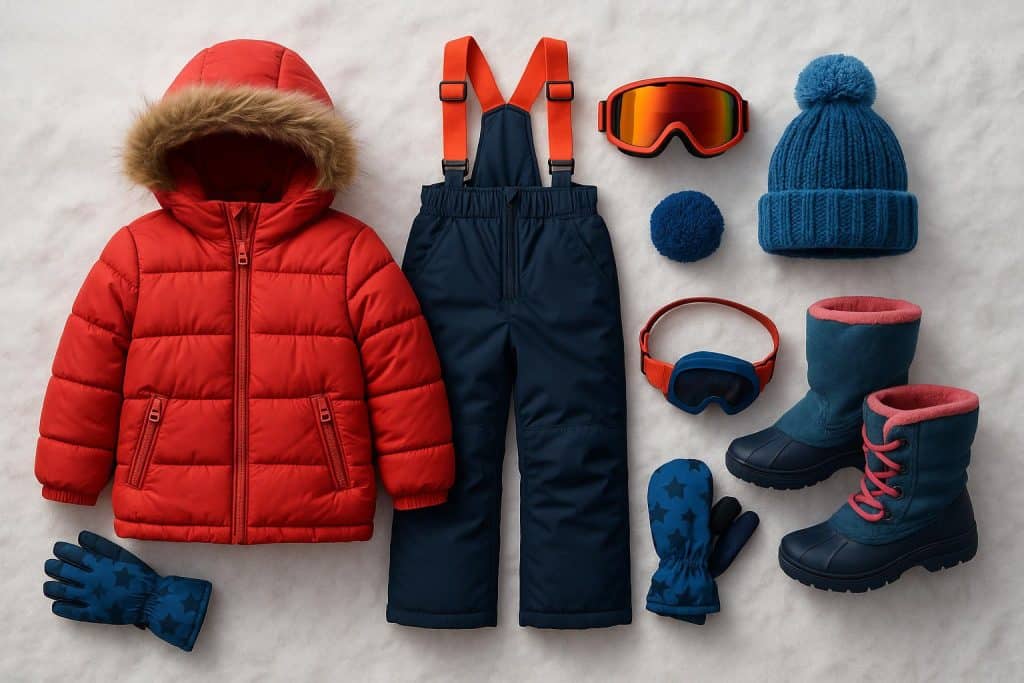
Winter is a season of pure magic for children. The moment the first flakes begin to fall, the world transforms into an endless playground of potential. Whether they are stepping out the back door to build a lopsided snowman in the yard or gearing up for a family vacation to a major mountain ski resort, their primary goal is always the same: to have fun in the snow.
As a parent, your primary goal is slightly different: keeping them warm, dry, and safe.
The environment in which your child plays drastically dictates the type of gear they need. A quick thirty-minute romp in the neighborhood park requires a different approach than a six-hour day navigating windy chairlifts and snowy slopes. However, building an entirely separate wardrobe for every single winter activity is neither practical nor budget-friendly. The secret to winter dressing lies in understanding technical versatility.
In this comprehensive guide, we will break down exactly how to equip your kids for everything from casual backyard snowball fights to intense ski resort adventures, ensuring they stay comfortable, protected, and ready for action no matter the altitude.
The Golden Rule: Mastering the Layering System
Before we discuss specific environments, we must address the foundation of all winter apparel: the layering system. You cannot successfully transition from the backyard to the ski slope without understanding how layers interact to regulate a child’s body temperature. The goal is to create a microclimate around the body that retains heat while simultaneously allowing sweat to escape.
1. The Base Layer (Moisture Management)
This is the layer that sits directly against the skin. Its sole purpose is to wick moisture (sweat) away from the body. If a child sweats in a cotton t-shirt, the cotton will hold the moisture, become freezing cold, and rapidly lower their core temperature. Always choose a base layer made from high-quality Merino wool or advanced synthetic blends. These materials pull sweat outward and remain warm even when slightly damp.
2. The Mid-Layer (Insulation)
The mid-layer is your furnace. It works by trapping the body’s natural heat in tiny air pockets within the fabric. Fleece is the absolute gold standard for children’s mid-layers. It is incredibly lightweight, dries very quickly, and provides an impressive warmth-to-weight ratio. On a mild backyard day, a thin fleece is perfect; on a freezing day at the resort, you might opt for a thicker fleece or a specialized thermal mid-layer.
3. The Outer Shell (Weather Protection)
The final layer acts as a shield against the external elements: wind, rain, slush, and snow. A high-quality outer shell must be 100% waterproof, windproof, and critically, breathable. If the outer shell doesn’t breathe, the moisture wicked away by the base layer has nowhere to go, rendering the entire system useless.
Backyard Basics: Gear for Everyday Winter Play
When outfitting your child for the backyard, the local park, or recess at school, the keyword is durability combined with ease of use. Backyard play involves a lot of direct contact with abrasive surfaces. Kids will kneel on icy driveways, sit on wet wooden swings, and brush past thorny bushes.
For these environments, investing in high-quality Reima apparel is a game-changer. You need gear that is highly abrasion-resistant. Look for winter jackets and snow pants that feature reinforced paneling on the knees, the seat, and the inner ankles.
The One-Piece Snowsuit Advantage
For toddlers and children under the age of seven, a one-piece snowsuit is often the best choice for everyday play. It eliminates the gap between the jacket and pants, meaning no matter how much they roll around in the backyard powder, cold snow won’t sneak down their waistline. Furthermore, a single zipper makes getting dressed much faster for parents and fosters independence for kids learning to dress themselves.
Waterproofing for Slush
Backyard snow is often wetter and slushier than the dry powder found at high-altitude ski resorts. Therefore, strong waterproofing is non-negotiable. Look for garments with fully taped seams and a solid water column rating (8,000-10,000 mm) to ensure they can sit in a melting snowbank without getting soaked through to their base layer.
Leveling Up: Preparing for the Ski Resort
Taking a child to a ski resort introduces entirely new environmental challenges. The game changes completely when you add altitude, high winds, fast movement, and the unique mechanics of skiing or snowboarding.
At a resort, a child’s activity level fluctuates wildly. They will experience periods of intense physical exertion while skiing down the mountain, immediately followed by periods of complete inactivity as they sit on an exposed, freezing chairlift. This stop-and-go dynamic demands the highest level of technical performance from their apparel.
Ski-Specific Jacket Features
When transitioning to the slopes, a standard winter coat won’t cut it. You need a dedicated ski jacket featuring specific alpine details:
- The Snow Skirt (Powder Skirt): This is an elasticized band inside the bottom of the jacket that snaps closed around the waist. If your child takes a tumble in deep powder, the snow skirt prevents the snow from shooting up their back.
- Lift Pass Pockets: Fumbling for a lift pass in a massive, bulky pocket while wearing gloves in a crowded lift line is a nightmare. Ski jackets feature a small, specialized zippered pocket on the left forearm for seamless, touch-free scanning at the ski lift gates.
- Helmet-Compatible Hoods: Safety is paramount, and your child will be wearing a ski helmet. Their jacket must have a large, adjustable hood designed specifically to pull over a helmet to block out biting wind on the chairlift.
Advanced Articulation and Fit
Skiing requires deep knee bends, twisting, and wide stances. If snow pants are too tight or stiff, they will restrict movement and tire the child out prematurely. High-end ski apparel utilizes articulated knees and ergonomic cuts, allowing the fabric to move smoothly with the child’s body. Suspenders are also highly recommended for ski pants, as they prevent the pants from sagging under the weight of heavy winter movement, ensuring maximum coverage at all times.
Essential Accessories for Both Environments
Whether you are in the driveway or at the summit, the extremities are always the first to get cold. Your high-tech layering system will be compromised if you fail to protect their hands, heads, and feet.
Technical Handwear
For the backyard, insulated mittens with extra-long cuffs that slide over the jacket sleeves are perfect for keeping snow out. At the ski resort, older children might transition to technical waterproof gloves that offer the dexterity needed to securely grip ski poles. Always carry a spare pair; if snow gets inside a glove during a fall, having a dry backup at the ski lodge can save the day.
Neck and Head Protection
Never use a traditional scarf for active winter play or skiing, as it presents a severe snagging hazard. Instead, utilize a fleece-lined neck gaiter or a full balaclava. A balaclava is especially vital at the ski resort; it fits smoothly beneath a ski helmet, providing seamless protection for the neck, chin, and cheeks against freezing alpine winds.
Proper Winter Socks
Leave the cotton socks in the dresser. Cotton provides zero insulation when damp from foot sweat. Invest in high-quality over-the-calf Merino wool ski socks. They provide targeted cushioning in the shin area (crucial for pressing against rigid ski boots) and offer unparalleled thermoregulation to keep tiny toes warm all day long.
Conclusion: Equipping Them for Unforgettable Memories
Transitioning your child’s wardrobe from the simplicity of the backyard to the demands of a ski resort doesn’t mean you need two entirely separate closets. By investing in a smart layering system, focusing on technical waterproofing, and prioritizing functional design details like snow skirts and articulated joints, you can build a versatile winter wardrobe that tackles any environment.
The right clothing does more than just keep a child warm; it removes the distractions of discomfort. When a child isn’t thinking about freezing fingers or wet pants, they are entirely free to focus on the joy of the moment. From making their very first snow angel at home to conquering their first green run on the mountain, make sure they are dressed for success.
To explore a carefully curated collection of premium winter wear designed to take your kids from the neighborhood park to the highest peaks, visit the Crocozebra shop and discover gear built for real adventure.