

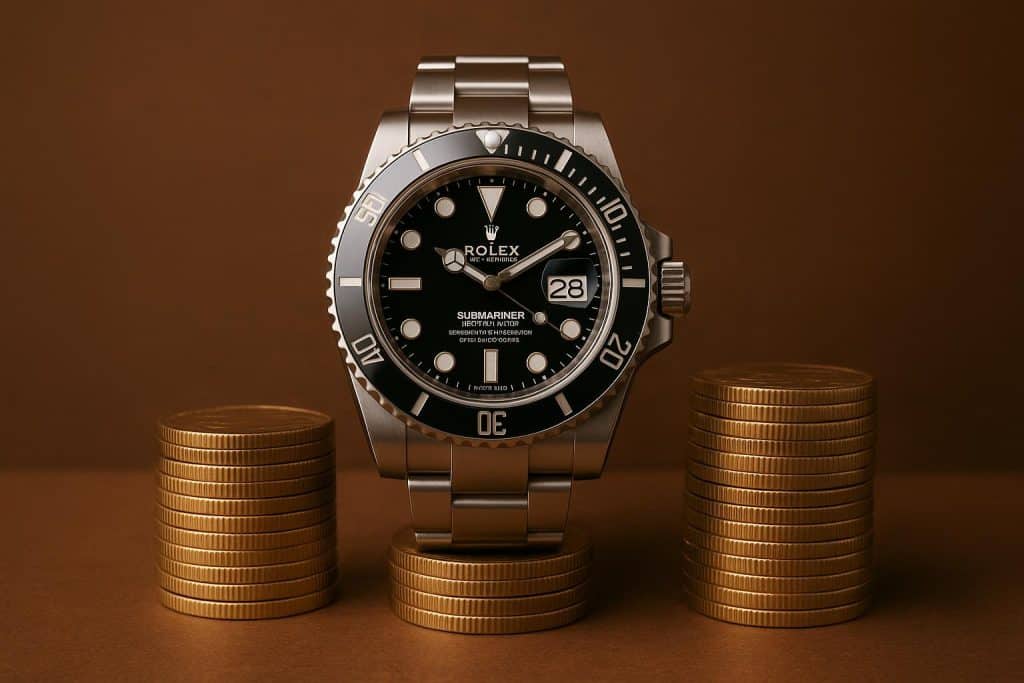
Luxury watch buyers often ask why certain pieces weaken in price while others stay firm for years. This name remains a rare exception because demand stays active, supply stays measured, and design language changes very slowly. That combination supports unusual resale strength across retail and secondary channels. Price history, buyer psychology, product consistency, and service confidence all help explain why this watch keeps financial relevance long after the first transaction.
Demand That Stays Deep
Interest comes from new buyers, seasoned collectors, and owners trading within the category, which keeps turnover healthy in many segments. Many shoppers reviewing condition, age, accessories, and pricing begin with Rolex watches for sale, then compare how steel sports models, classic dress references, and older production years perform over time. That broad audience matters because value holds best when demand does not rely on one narrow group.
Controlled Supply
Production discipline plays a central role in long-term pricing. New releases appear with restraint, while core references keep familiar proportions and functions. Older pieces rarely look displaced by a sudden shift in styling. Dealer shortages also shape buyer behavior. When access tightens at retail, attention moves into resale channels, where competition often keeps pricing firm, especially for steel models with steady cross-generational interest.
Design That Ages Slowly
Familiar Case Shapes
The visual formula changes in small steps, which protects older references from feeling dated. Oyster cases, fluted bezels, magnified date windows, and signature hand shapes remain easy to identify across decades. A watch made years earlier can still feel current beside a recent version. That continuity gives secondary buyers reassurance, because timeless styling usually carries less fashion risk over long ownership cycles.
Materials With Daily Utility
Long-term value improves when a watch handles regular wear without losing structural integrity or visual appeal. Cases and bracelets use corrosion-resistant steel, solid construction, and closures built for repeated daily use. Surface marks may develop, yet the piece usually remains dependable and attractive. Resale buyers tend to pay more for watches known for toughness, practical durability, and dependable upkeep across many years.
Movements Buyers Trust
Value also depends on what sits inside the case. Buyers respond well to calibers known for stable accuracy, consistent operation, and accessible service support. That record reduces hesitation in the secondary market. Many luxury watches raise concern about repair cost, parts availability, or technician familiarity. This maker avoids much of that doubt because mechanical performance has stayed dependable through long production cycles.
A Broad Model Ladder
A healthy resale market needs range, not one isolated hit. The catalog spans simple entry pieces, formal options, dive watches, travel references, and precious metal flagships. That spread widens the buyer base across budgets and lifestyles. Someone may start with a modest model and then later pursue a chronograph or calendar piece. Broader participation usually strengthens pricing because demand stays distributed.
Brand Equity And Symbolism
Cultural meaning adds another layer of support. The crown emblem signals achievement, permanence, and taste in a way few products can match. Symbolism alone cannot hold prices forever, yet it helps keep interest visible across regions and age groups. Recognition remains high in cities, resort markets, and auction rooms alike. That kind of social familiarity can reinforce buyer confidence during softer periods.
Pre-Owned Strength
Secondary trading offers one of the clearest tests of staying power. Pre-owned examples usually sit within fairly readable pricing bands shaped by reference, year, condition, accessories, and provenance. That visibility helps buyers judge value without much guesswork. Markets with repeat transactions, informed sellers, and strong listing volume tend to stay healthier. Confidence matters here, because uncertainty usually pushes offers downward rapidly.
Service History Matters
Condition alone does not provide a complete picture. Original boxes, warranty cards, receipts, and documented maintenance often improve resale performance because they reduce doubt. Buyers place a premium on certainty, especially for higher-ticket items. Case finishing also deserves close attention. Overpolished edges can soften proportions and weaken appeal, while crisp lines, full lugs, and clean documentation often attract stronger bids from informed purchasers.
Conclusion
Decade after decade, this watch category holds value through a mix of disciplined supply, durable construction, familiar design, trusted mechanics, and strong cultural recognition. Very few makers combine those elements with the same consistency. That steadiness matters more than short bursts of attention because it supports demand during strong cycles and weaker ones. For buyers studying ownership economics, this name remains a benchmark for repeatable resale performance.