

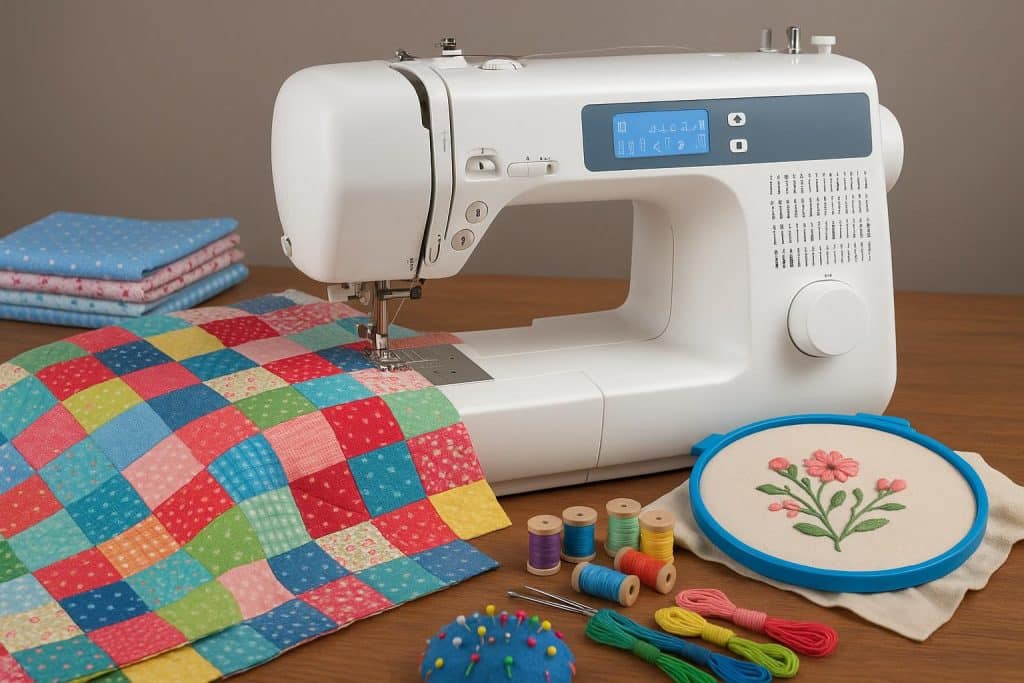
Machine embroidery and quilting have moved well past the stereotype of a niche pastime. The UK craft hobby market has grown steadily, and within it, a particular kind of maker has emerged: the dedicated hobbyist who treats their sewing room as seriously as a professional studio, plans ambitious multi-colour embroidery projects around digital files, and thinks carefully before buying a machine rather than picking whatever sits on a supermarket shelf.
This shift in how people engage with the craft has changed what they expect from the shops they buy from, too.
The Machine Matters More Than Ever
Ten years ago, a mid-range sewing machine could handle most domestic tasks without too much thought about specs. Today, a committed quilter or machine embroiderer has very different requirements. The throat space on a machine, the size of the embroidery hoop, whether the machine handles multi-needle sequencing, how it manages stabiliser thickness, and whether it works well with digitising software are all genuine considerations before a purchase.
For large quilting projects especially, the working area of the machine becomes critical. A standard domestic machine can feel restrictive when you are manoeuvring a king-size quilt sandwich through the needle bed for free motion work. That is part of why specialist machines like the Brother VQ2 have developed such a following among UK quilters. The extended throat space makes a tangible difference when you are actually at the machine for several hours.
Embroidery machines have their own set of considerations. Hoop size determines what you can realistically embroider in a single hooping. The maximum embroidery area dictates whether you can complete a large design without re-hooping and realigning, which adds time and introduces the possibility of small misregistration between sections. For machine embroiderers working with multi-colour digital files, the number of colour stops and the machine’s ability to manage complex sequences becomes part of the buying decision.
Buying From a Specialist Changes the Experience
One thing that consistently comes up among experienced UK machine embroiderers and quilters is the value of buying from an authorised specialist rather than a general retailer. With products like Brother embroidery machines, the difference is often felt most clearly after purchase: setup support, access to software guidance, help with accessories, and the confidence that the machine is a genuine authorised unit with a full UK warranty.
For people working at the level where they are investing in machines costing anywhere from £700 to several thousand pounds, that reassurance matters. Lords Sewing, based at Oswaldtwistle Mills in Lancashire, is one of the better-known examples of this kind of specialist in the UK. As an authorised Brother dealer, they focus exclusively on the Brother range, which means the staff knowledge runs deeper than a generalist can typically offer. They are also the only UK stockist of Floriani embroidery products, which has made them something of a destination for serious machine embroiderers looking for specialist threads and stabilisers. Their Brother embroidery machines section covers the full range from entry-level combined machines through to the professional multi-needle PR series.
For buyers outside Lancashire, the combination of strong customer reviews, free UK delivery over £45, and the ability to call and speak to knowledgeable staff (rather than a call centre) is part of what has built their reputation among UK embroiderers and quilters over time.
The Question of Combined vs Dedicated Machines
A common decision point for hobbyists investing in machine embroidery is whether to buy a combined sewing and embroidery machine or a dedicated embroidery-only model. Both approaches have genuine merit, and the right answer depends on how the machine will actually be used day to day.
Combined machines offer practicality. You have one machine on the table, and it handles both regular sewing and embroidery work. For someone with a smaller sewing space, or someone who moves regularly between sewing garments and doing embroidery projects, this is genuinely useful. The sewing functions on mid-to-high range combined machines are also substantial, not an afterthought.
Dedicated embroidery machines typically offer a larger embroidery area and, at the higher end, features specifically designed for complex embroidery work: better thread management, higher maximum hoop sizes, and in the case of machines like the Brother PR680W, a professional multi-needle setup that eliminates manual thread changes between colours. For a maker whose primary focus is embroidery with digital files, the dedicated route often makes more sense as their skills and project ambitions grow.
Digital Files and Software: The Other Part of the Setup
A dimension of machine embroidery that often catches people mid-journey is the software side. Most Brother embroidery machines come with built-in designs and the ability to import designs via USB from various file formats, including PES (Brother’s native format) and DST. But for makers who want to create their own designs, resize commercial designs beyond their original parameters, or convert between file types, digitising software becomes important.
PE-Design, Brother’s own software package, is the tool most commonly used alongside their machines in the UK. It allows users to digitise original designs, edit and combine existing designs, and output files directly to a compatible Brother machine. The different versions of PE-Design suit different levels of use, from the entry-level Plus 2 through to the full Next edition used by more advanced embroiderers.
Getting to grips with the software side of machine embroidery is a process, and resources like the quilting and embroidery guides at Sew Magazine and project inspiration at LoveCrafts can help bridge the gap between owning a capable machine and knowing how to get the most from it.
What Experienced Quilters Look for in a Machine
Quilting has its own specific machine requirements that differ from general sewing and from embroidery. Free motion quilting, for example, requires the feed dogs to be lowered or disengaged and a darning or free motion foot attached. The ability to do this smoothly, with a consistent stitch length regardless of how fast you move the fabric, varies noticeably between machines.
Walking foot quilting, by contrast, moves multiple layers of fabric through the machine evenly, which is important when you are stitching through the quilt sandwich of top fabric, wadding, and backing. A good walking foot on a machine that can handle the bulk of a thick quilt is something experienced quilters pay attention to before buying.
Stitch regulation, throat space, the stability of the needle bar at higher speeds, and the range of compatible presser feet all factor in for someone planning to do substantial quilting work. Manufacturers like Brother have developed machines specifically positioned for this use case, and the UK retail community of specialist dealers has responded accordingly, stocking fuller ranges than a general retailer would typically carry.
The Role of the Sewing Room Setup
Something that gets less attention than the machine itself, but matters quite a lot in practice, is the physical setup around it. Quilters and machine embroiderers working on large projects spend long hours at their machines, and the height of the working surface, the storage available for thread, stabilisers, and accessories, and the ergonomics of the chair all have a genuine effect on how enjoyable and sustainable the hobby is.
Dedicated sewing furniture, such as the Horn Furniture range, has developed a following among serious hobbyists for exactly this reason. Cabinets with built-in storage, machine lifts that bring the machine to flush with the working surface (useful for quilting, where you want the fabric to glide rather than drop off the edge of the table), and ergonomically designed chairs make a real difference when you are three hours into a quilting session.
It is one of those areas where the investment, made once, improves virtually every session that follows.
The Broader Picture
The UK craft market for sewing, quilting, and machine embroidery has matured considerably. The makers who were drawn into the hobby a decade ago have developed their skills, upgraded their machines, expanded their thread and stabiliser collections, and become the kind of customers who know exactly what they want and do their research carefully before buying.
That shift has benefited specialist retailers who have built genuine expertise. Knowledgeable staff, a focused product range, and support that extends beyond the initial sale have become genuine differentiators in a market where the product itself can often be found in multiple places. For the serious maker, where you buy tends to matter as much as what you buy.