

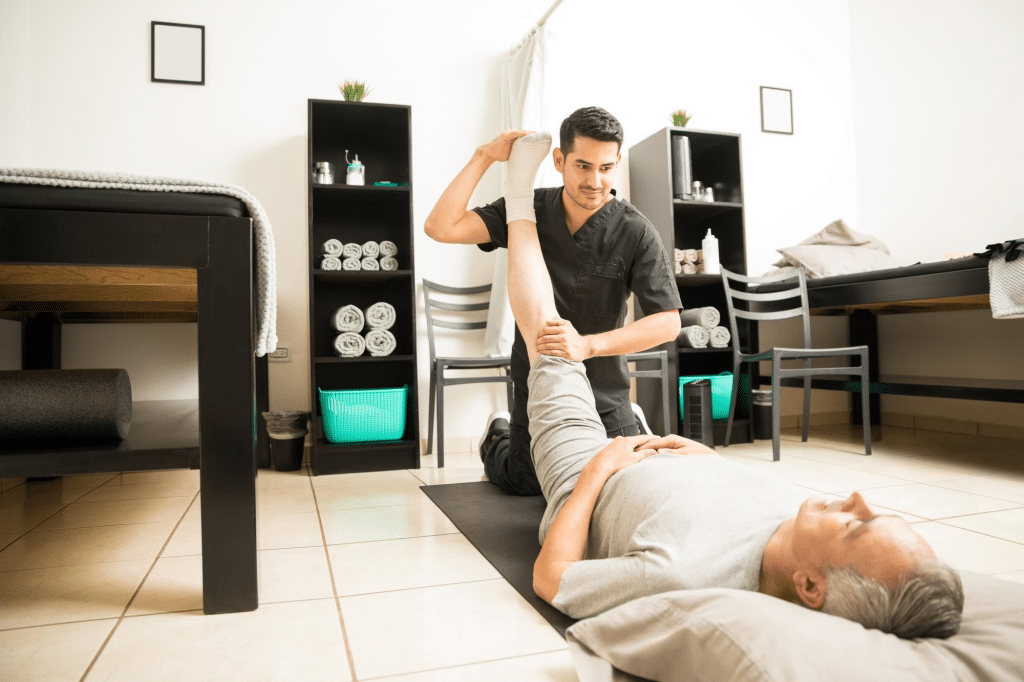
You finish a hilly run around Mount Panorama, your calves feel tight, and another hard session is due in two days. Booking a massage can help, but only if you use it for the right job.
Sports massage is best used to reduce soreness and restore comfortable movement between key sessions. It can help you feel more normal sooner, but it is not a shortcut to better speed, strength, or endurance the next day.
The useful question is timing. Book it when soreness is likely to limit your next quality session, and avoid heavy work right before speed, power, or race efforts.
What Is Sports Massage?
Sports massage is targeted soft-tissue work for training load, not a relaxation session with a sport label.
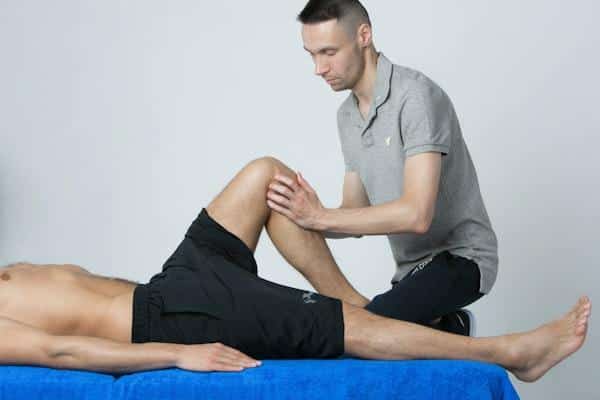
Common methods include effleurage, which is light gliding, petrissage, which is kneading, trigger-point pressure, and proprioceptive neuromuscular facilitation, a contract-relax stretching method. In Australia, remedial massage therapists commonly hold the HLT52015 Diploma of Remedial Massage, which supports assessment-led treatment.
That matters because the goal is functional. A sports or remedial session should match your training week, the tissues under load, and the result you want, such as easier calf mobility before intervals or less quad soreness after a long run.
3 Big Benefits Of Sports Massage
The strongest benefit is lower perceived soreness, while next-day performance changes are usually small or absent.
If that sounds underwhelming, it is still useful. Less soreness can mean better movement quality and less hesitation in your next important session, even when your sprint, jump, or strength numbers do not change much.
Soreness Relief And Readiness To Train
A 2017 systematic review and meta-analysis found that massage reduced delayed onset muscle soreness, or DOMS, at 24, 48, and 72 hours after exercise, with the biggest effects at 48 to 72 hours. That timing lines up with the window when soreness can disrupt the next quality session.
Mobility And Tissue Tolerance
Massage can improve short-term range of motion, so deep squat positions, hip extension in running, or overhead positions in the gym feel easier. The gain is usually brief, so follow it with activation drills or controlled strength work to keep the new range useful.
Niggle Management, Not Injury Cures
Targeted work can reduce pain around overused areas like the calf complex or the iliotibial band region. A trial after habitual running found slightly lower pain intensity after massage, but no clear improvement in fatigue, mood, or physical performance. Use it with load management and strength work, not instead of them.
What To Book So You Maximise Recovery
Timing and pressure matter more than the label on the booking page.

Match the session to your training calendar. The wrong pressure at the wrong time can leave you flat when you need to feel sharp.
Pre-Event Tune-Up
Keep pre-event work brief and light, about 10 to 15 minutes, and place it after your warm-up. A randomised trial found 20-metre sprint performance dropped after pre-competition massage when compared with a traditional active warm-up. If you want hands-on work before an event, keep it rhythmic and finish with movement drills.
Post-Event Flush
Use gentle work within 24 hours if comfort is the goal. If you want deeper maintenance, book it 48 to 72 hours later, when DOMS tends to peak. Pair it with easy movement, normal refuelling, and a full night of sleep.
Maintenance During Heavy Blocks
During peak volume, a 45 to 60 minute session every one to two weeks works well for runners, cyclists, and field sport athletes. Put it away from your hardest day. If fatigue is already high, shorten the session instead of pushing through heavy pressure.
Self-Care Adjuncts
For tight turnarounds, massage is not always the strongest option. A 2024 umbrella review found positive effects from compression garments and cryotherapy for endurance recovery windows of 8 to 24 hours, while massage showed none in that window.
- Foam rolling: Use 90 to 120 seconds per area for small but practical gains in flexibility and comfort.
- Compression garments: Useful after long runs, races, and travel-heavy weekends.
- Cold-water immersion: Try 10 to 15 minutes at 10 to 15 degrees Celsius within two hours after endurance work.
What To Expect In A Bathurst Clinic
A good clinic visit should feel specific to your training week, not like a generic full-body rub.
When you compare clinics, look at session length, therapist qualifications, rebate eligibility, and whether the appointment matches your training block, because a cheaper booking is not always better value if it misses the tissues that actually limit your running or riding that week, especially during heavy training or race build-ups, when you find Bathurst sports massage services for a locally relevant option.
Your first session should include a brief health history, current training load, event timing, consent, draping, and a plan for pressure and target areas. Tell your therapist about medications, scans, and any area that feels tender, weak, or unstable.
In Bathurst, a 60-minute remedial session typically costs about $95 to $105, with shorter sessions priced lower. Many private health funds rebate remedial massage under Extras when the provider meets fund rules, and many clinics offer HICAPS on-the-spot claiming. Check waiting periods and annual limits before you book.
Healthdirect notes that massage is generally safe, but bruising or short-term soreness can happen. Get medical advice first if you have blood clots, infectious skin conditions, or bleeding disorders. In the room, speak up early if the pressure feels wrong.
How To Track Recovery Gains
If you do not track recovery, you cannot tell whether massage earns its place.

Use session rating of perceived exertion, or session-RPE, multiplied by minutes to log training load. Then compare how quickly you return to normal movement after similar hard sessions. If massage shortens that timeline, keep it.
- Morning soreness: Rate quads, calves, and glutes from 0 to 10.
- Range of motion: Check ankle knee-to-wall distance and a hip-extension lunge weekly.
- Ready-to-train feel: Rate recovery from 0 to 10 before key sessions.
One myth still hangs around. Lactate is not the cause of DOMS. Lactate returns near baseline within about an hour after exercise, while DOMS peaks one to three days later, so massage is not flushing out lactic acid.
Make Massage Work For You, Not Against You
Use massage to support key sessions, not to rescue poor recovery habits.
Keep pre-event work light, use deeper sessions after the hard work is done, and combine massage with sleep, fuelling, hydration, compression, or cold water when the turnaround is short. If you track three or four similar training weeks and recovery is no faster, spend the money on the basics first.