

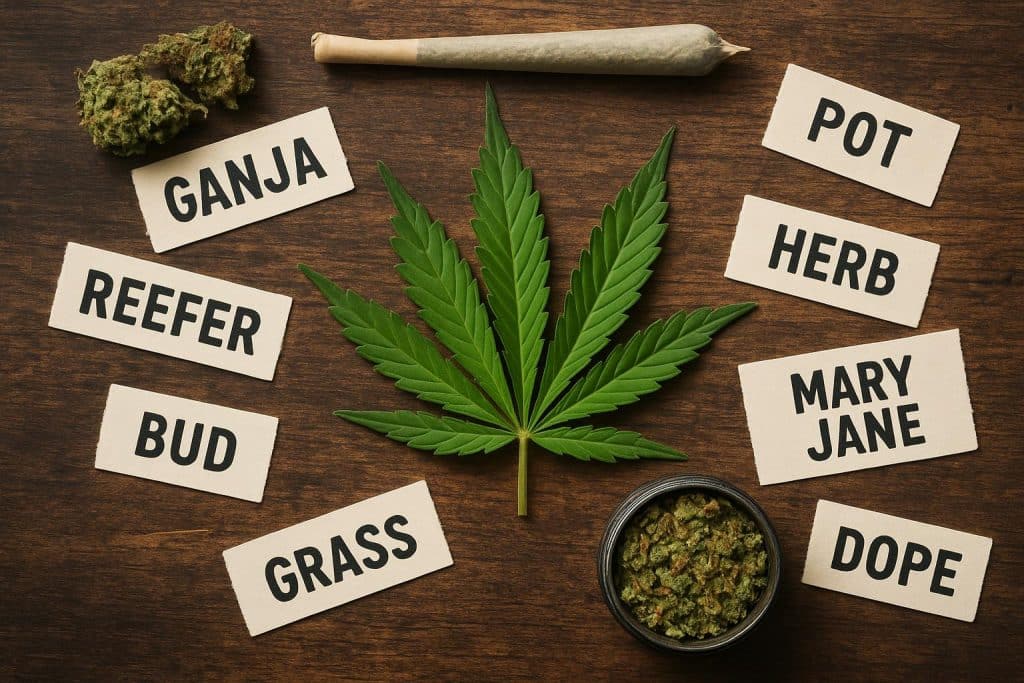
Marijuana is one of the most widely known and discussed substances in the world, and it has collected hundreds of informal names over time. These names are often called slang or street terms, and they vary by culture, region, and generation. Understanding why marijuana has so many nicknames helps explain its long history, social role, and legal challenges. The wide use of street names for Marijuana reflects how deeply it has been woven into different communities across the globe.
The Role of Illegality in Creating Slang
One of the main reasons marijuana developed so many street names is its long history of being illegal in many countries. When a substance is banned, people often use coded language to avoid attention from authorities. Slang helped users discuss marijuana without directly naming it. This need for secrecy played a major role in creating and spreading new terms over time.
Cultural Influence on Marijuana Names
Different cultures have contributed their own words and phrases to marijuana slang. For example, some names come from music scenes, while others come from local languages or traditions. These terms often reflect how a culture views marijuana, whether as a spiritual herb, a social substance, or a form of relaxation. Cultural diversity has greatly expanded the list of street names for Marijuana used worldwide.
Music, Art, and Media Impact
Music and entertainment have strongly influenced marijuana slang. Jazz musicians, reggae artists, hip-hop performers, and filmmakers often used creative language to refer to marijuana in their work. These references helped popularize certain street names and spread them beyond local communities. Media exposure made some terms global, even if they started in a small group.
Regional Differences in Street Names
Marijuana slang often changes from one place to another. A term commonly used in one country or city may be unfamiliar elsewhere. Local laws, language, and social attitudes shape these differences. Regional slang also helps users identify with their community, making marijuana street names feel personal and local rather than universal.
Generational Language Changes
Each generation creates its own slang, and marijuana is no exception. Older terms may fade away while new ones appear through social media and online culture. Younger people often create fresh words to sound modern or avoid outdated language. This constant change adds to the growing list of marijuana street names over time.
Marijuana Forms and Product Variety
As marijuana products have evolved, so has the language around them. Flower, edibles, oils, and concentrates often have their own slang terms. Different quality levels and strengths also influence naming. This variety makes it easier for users to describe what they are using but also adds to confusion for those unfamiliar with the terminology.
Slang as a Tool for Social Identity
Using slang can help people feel like they belong to a group. Marijuana street names often signal shared experiences or values. Knowing the language can create a sense of trust or connection among users. However, this same slang can also make marijuana seem harmless or casual, even when it may cause problems for some individuals.
Misunderstanding Risks and Potency
One downside of slang is that it can hide important details about marijuana strength and effects. Street names rarely explain potency or health risks. This can lead to misuse, especially among new users. Misunderstanding slang terms may cause people to underestimate the impact marijuana can have on mental and physical health.
The Link Between Language and Perception
Language shapes how people think about substances. Friendly or humorous street names can reduce perceived risk and make marijuana feel less serious. This can delay recognition of harmful use patterns. For individuals struggling with dependence, professional help such as an addiction treatment center in Indiana can provide education, support, and recovery resources in a clear and non-judgmental way.
Marijuana Slang and Public Education
Educators, parents, and healthcare providers often need to understand marijuana slang to communicate effectively. Recognizing common street names helps adults talk openly with young people and address misconceptions. Clear communication is essential for prevention and early intervention, especially in areas where marijuana use is increasing.
Legalization and the Future of Street Names
As marijuana becomes legal in more places, the need for secrecy may decrease. However, slang is unlikely to disappear completely. People enjoy creative language, and cannabis culture continues to evolve. Legal markets may even create new names for branding and marketing purposes, adding another layer to marijuana terminology.
Conclusion: Why So Many Names Exist
Marijuana has so many street names because of its long history, cultural diversity, legal challenges, and social influence. Slang developed as a way to communicate safely, express identity, and adapt to changing times. While these names are part of popular culture, it is important to understand their limits. Clear language, education, and access to support—such as an addiction treatment center in Indiana—play a key role in helping people make informed and healthy choices.