

Text to video AI has improved fast. A year ago, most clips looked experimental. Now, some outputs genuinely feel cinematic.
But not every model delivers “Hollywood-level” results.
Some look impressive in short demos but fall apart when you test motion consistency, lighting logic, and camera control.
So I tested them properly.
Same prompts. Same evaluation criteria. No hype.
Here’s what actually holds up.
What Is Text to Video AI?
Text to video AI turns a written prompt into a moving scene.
You describe:
- The subject
- The environment
- The lighting
- The camera movement
The model generates video frame by frame while trying to maintain visual consistency.
Most systems use diffusion-based generation combined with large language models. They predict motion over time while aligning with your prompt.
The real difficulty is not creating a beautiful frame.
It is maintaining believable motion across multiple seconds.
Text to Video vs Image to Video
This difference matters more than most people think.
Image to video starts with a fixed image and animates it. You get strong control over composition but limited scene invention.
Text to video builds everything from scratch. It gives you more creative freedom but demands stronger motion modeling.
If you want polished product shots, image to video can be cleaner.
If you want cinematic world-building, text to video is more powerful.
What Makes a Shot “Hollywood-Level”?
Resolution alone does not create cinematic quality.
A true film-level shot depends on three things:
1. Intentional Camera Movement
The camera must feel motivated.
A slow dolly-in builds tension.
A handheld tracking shot creates intimacy.
A crane shot adds scale.
Random floating motion instantly looks artificial.
2. Controlled Lighting
Lighting shapes emotion.
You want:
- Directional backlight
- Natural shadow depth
- Atmospheric interaction
- Clear foreground separation
Flat lighting feels synthetic.
3. Physics and Frame Consistency
Objects must behave naturally.
Hands must stay stable.
Characters should not morph mid-shot.
This is where weaker models break.
The Leading Text to Video AI Models
Here are the top AI models trending in the market.
If you want access to all of them without breaking the bank, try Loova. It’s an all-in-one platform that integrates multiple video and image AI models in one place, helping you create faster with high quality without switching between platforms.
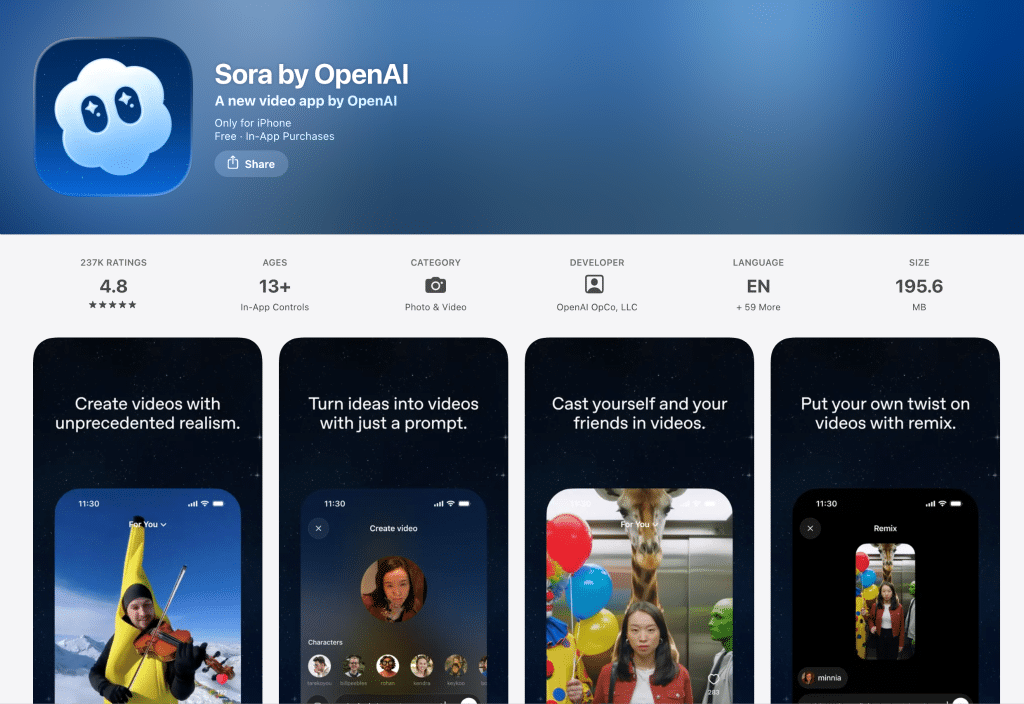
OpenAI Sora
OpenAI developed Sora as a high-fidelity video generation system.
Strengths:
- Strong motion physics
- Complex camera choreography
- Longer scene coherence
When I tested action-heavy prompts, Sora maintained environmental logic. Rain hit surfaces correctly. Shadows stayed consistent.
Weakness: limited public access.
For realism, Sora is currently the benchmark.
Grok Imagine
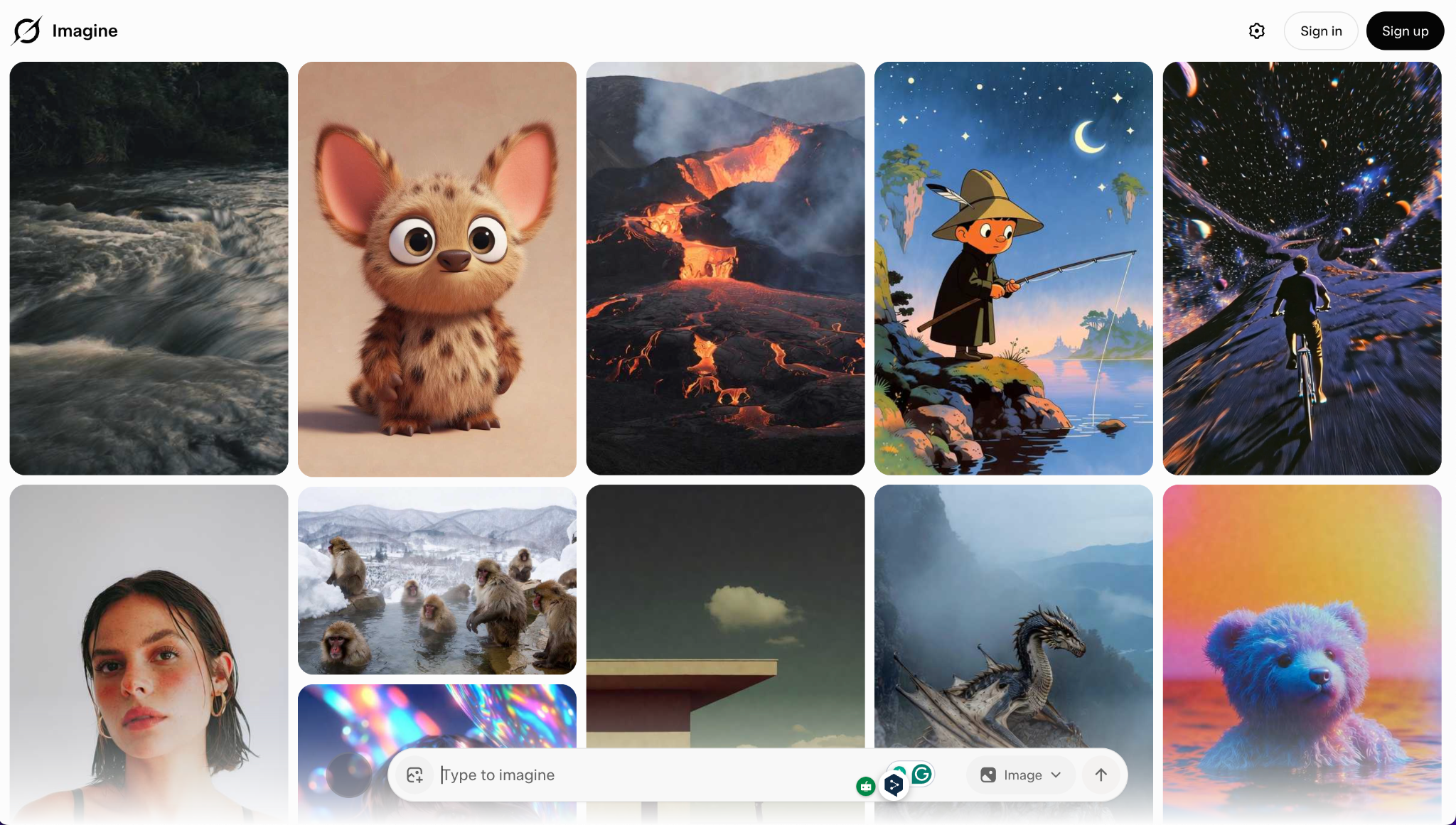
xAI introduced Grok Imagine as part of its generative media push.
Strengths:
- Strong prompt understanding
- Clean lighting interpretation
- Structured motion paths
Camera movement feels intentional and less floaty than many earlier models. It handles commercial-style visuals especially well.
Best for:
- Branded content
- Controlled studio-style scenes
- High-clarity compositions
For creators who want sharp, structured outputs with minimal distortion, Grok Imagine is practical.
Kling 3.0
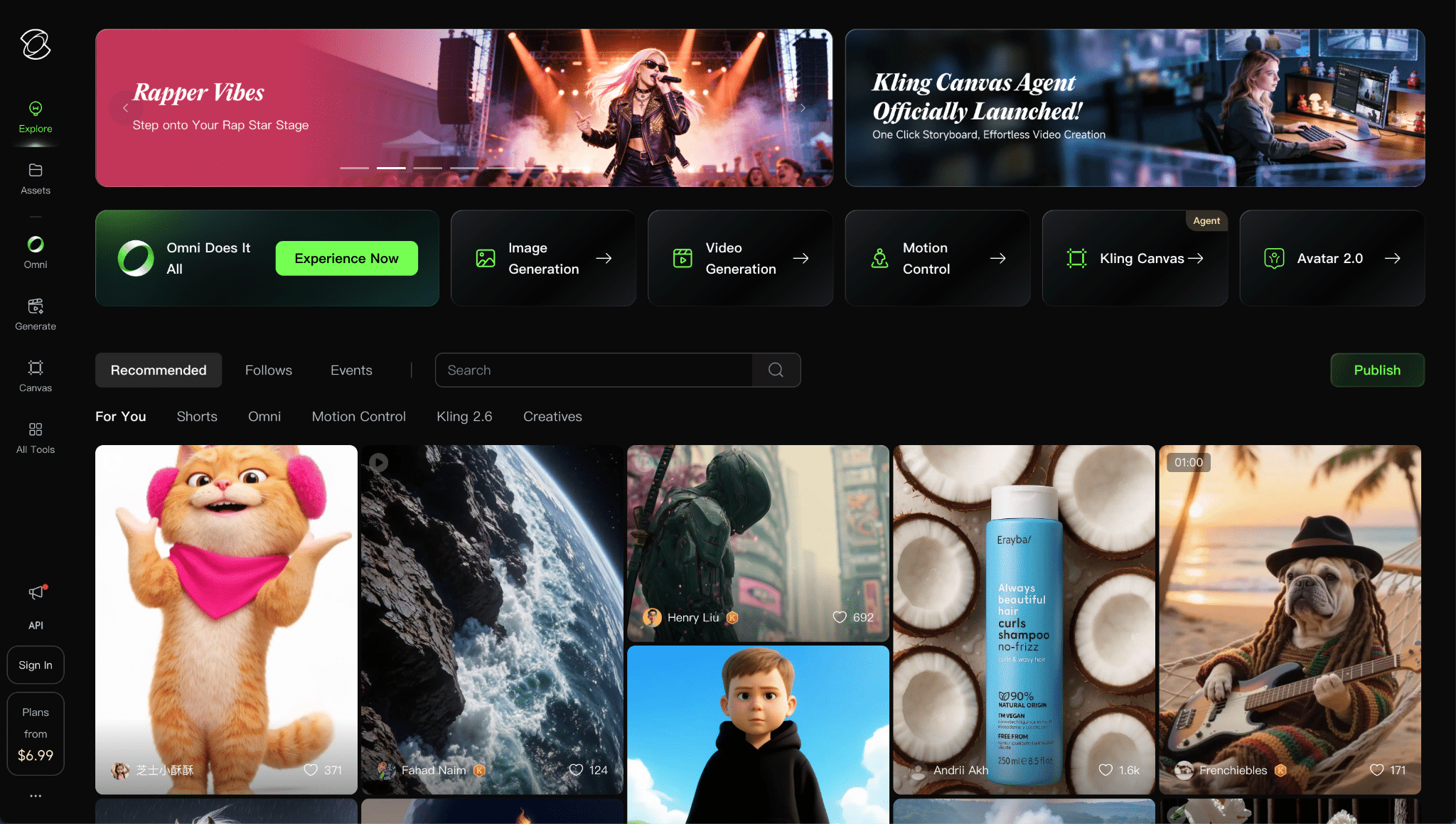
Kuaishou Technology developed Kling with strong realism focus.
Strengths:
- Stable environmental rendering
- Strong depth simulation
- Longer clip duration
Landscape scenes look especially impressive. Fog, sunlight, and distance rendering feel natural.
Kling performs well in atmospheric cinematic shots.
Veo 3.1
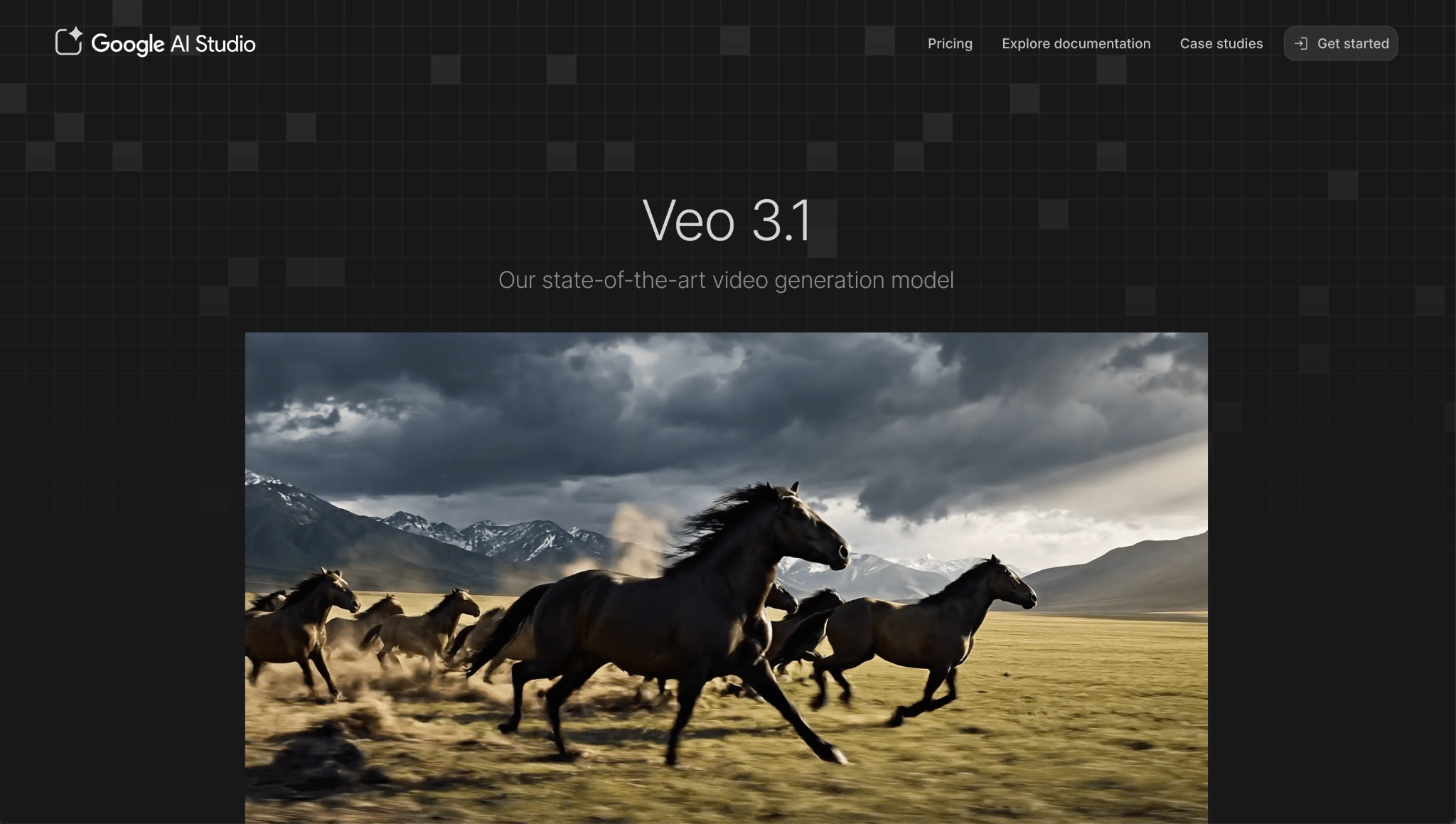
Google DeepMind developed Veo 3.1 as a high-quality generative video system.
Strengths:
- Detailed lighting
- High-resolution output
- Advanced camera motion simulation
Veo 3.1 handles complex lighting transitions smoothly. It performs well with slow cinematic shots and dramatic reveals.
It can struggle slightly with highly chaotic action scenes, but for controlled storytelling, it delivers impressive realism.
Seedance 2.0
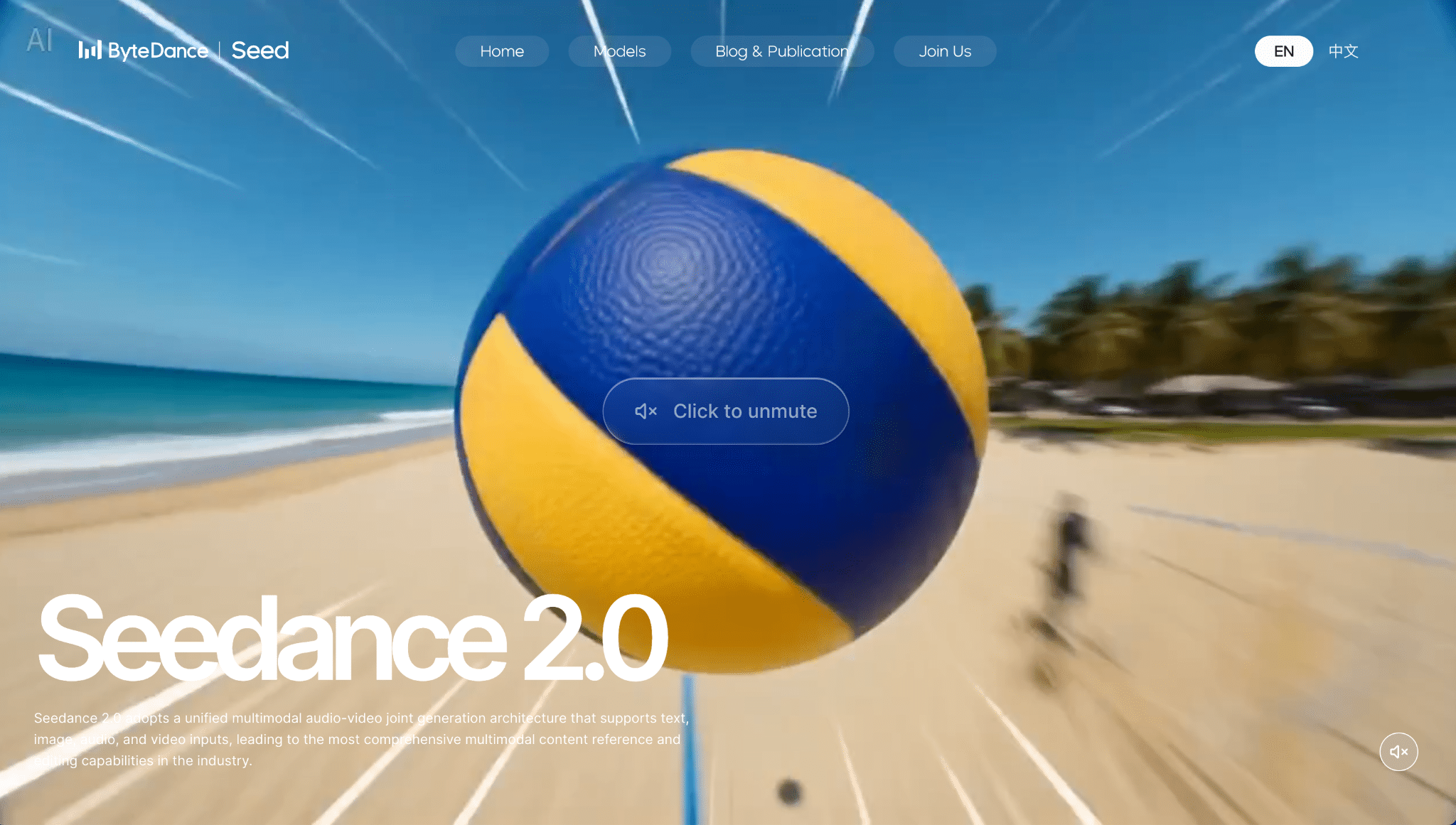
Seedance 2.0 leans toward bold, dramatic visuals.
It emphasizes stylized motion and strong lighting effects.
Great for:
- High-impact sequences
- Stylized visuals
- Dramatic atmosphere
It is less subtle than Sora or Veo but visually striking.
Want Access to All These Models in One Place?
If you want access to all of these models without jumping between separate platforms, you can use Loova.
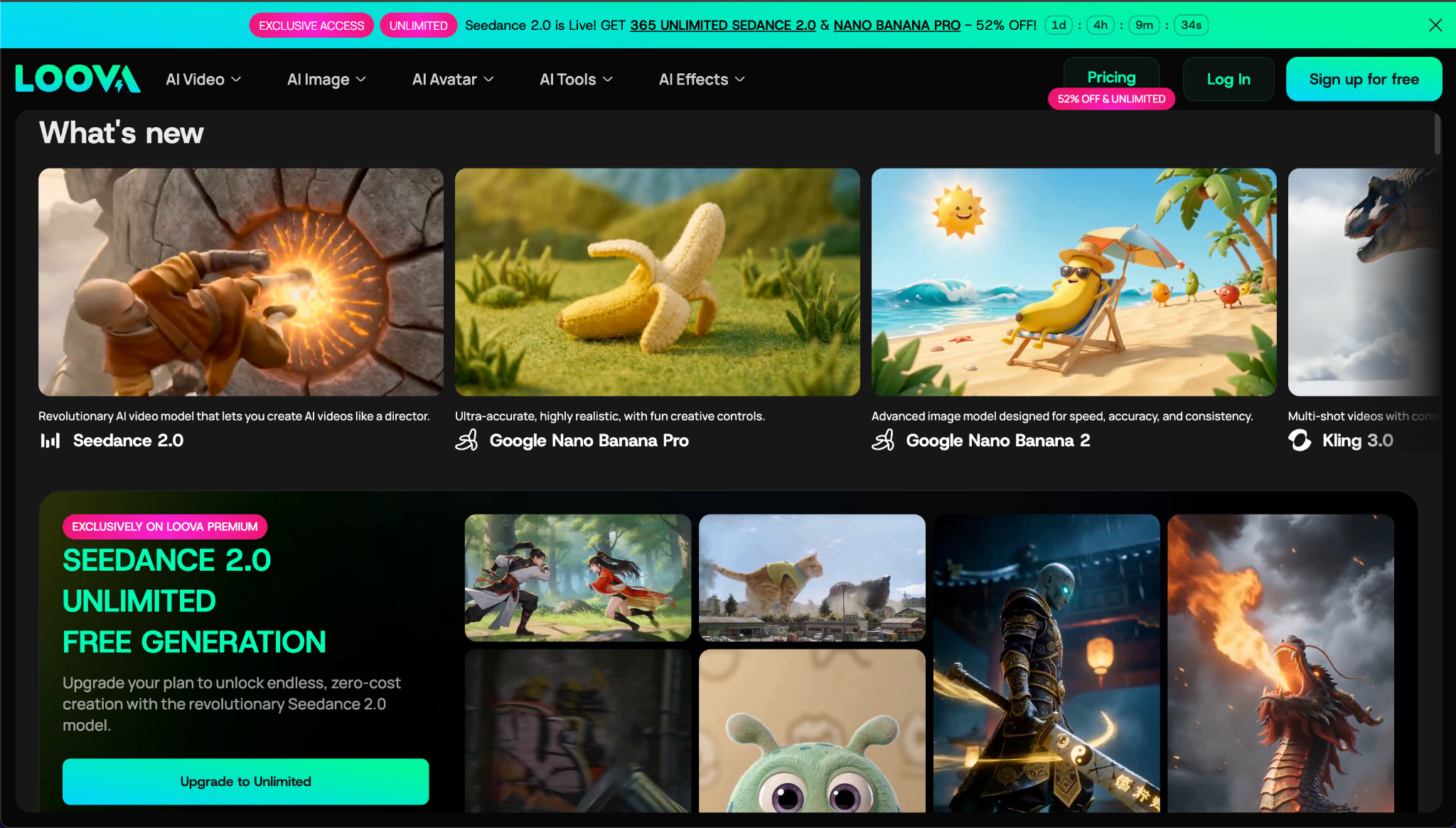
Loova is an all in one platform that integrates multiple AI models into a single workspace.
Instead of:
- Switching between dashboards
- Managing separate billing systems
- Testing prompts across disconnected tools
You can:
- Compare cinematic outputs side by side
- Run the same prompt across models
- Iterate quickly
- Manage everything in one place
This makes serious experimentation much easier.
If your goal is to discover which model truly delivers Hollywood-level shots for your specific use case, centralized access saves time and reduces friction.
Rather than asking:
“Which platform should I commit to?”
You can ask:
“Which model actually produces the shot I want?”
You can test that directly at https://loova.ai/.
For creators, marketers, and filmmakers exploring text to video AI seriously, this flexibility matters.
Side-by-Side Cinematic Test
I used this prompt across all models:
Slow dolly shot of a lone astronaut walking through a foggy alien forest at sunrise, soft backlight, shallow depth of field, cinematic atmosphere.
Here’s what stood out:
- Best physics realism: Sora
- Best environmental lighting: Veo 3.1
- Most structured commercial look: Grok Imagine
- Best atmospheric depth: Kling
- Most dramatic style: Seedance
The differences become clear when you zoom in on hand detail, shadow direction, and background stability.
Can Text to Video AI Replace Traditional Filmmaking?
Not fully.
It works extremely well for:
- Previsualization
- Short cinematic moments
- Concept trailers
- Social media ads
It still struggles with:
- Long dialogue sequences
- Extended character continuity
- Complex choreography
Right now, it supports filmmaking rather than replaces it.
How I Get More Cinematic Results
Better prompts produce better results.
Here is what works consistently.
Write Like a Cinematographer
Instead of:
A man walking in the city.
Try:
Slow handheld tracking shot following a man walking through neon-lit streets at night, 50mm lens, rain reflections, shallow depth of field.
Specific language creates structure.
Control Motion Language
Use:
- “steady dolly in”
- “over-the-shoulder tracking”
- “locked tripod frame”
- “subtle handheld sway”
Avoid vague phrases like “cinematic vibe.”
Keep Prompts Focused
One action.
One lighting direction.
One camera instruction.
Overloading the prompt reduces consistency.
The Real Friction: Switching Between Platforms
Testing multiple models is not smooth.
You create accounts on different platforms.
You manage different credits.
You rewrite prompts to match different interfaces.
If you are serious about finding which model truly delivers cinematic quality, this becomes inefficient.
Want Access to All These Models in One Place?
If you want access to all of these models without jumping between separate platforms, you can use Loova.
Loova is an all in one platform that integrates multiple AI models into a single workspace.
Instead of:
- Switching between dashboards
- Managing separate billing systems
- Testing prompts across disconnected tools
You can:
- Compare cinematic outputs side by side
- Run the same prompt across models
- Iterate quickly
- Manage everything in one place
This makes serious experimentation much easier.
If your goal is to discover which model truly delivers Hollywood-level shots for your specific use case, centralized access saves time and reduces friction.
Rather than asking:
“Which platform should I commit to?”
You can ask:
“Which model actually produces the shot I want?”
For creators, marketers, and filmmakers exploring text to video AI seriously, this flexibility matters.
My Final Ranking for Cinematic Realism
Based purely on realism and motion consistency:
- Sora
- Veo 3.1
- Kling
- Grok Imagine
- Seedance
But the best model depends on your goal.
- Maximum realism: Sora or Veo 3.1
- Clean commercial shots: Grok Imagine
- Atmospheric landscapes: Kling
- Dramatic stylization: Seedance
There is no universal winner.
There is only the right tool for your scene.
Where Text to Video AI Is Heading
Expect rapid improvements in:
- Character identity stability
- Longer scene continuity
- Precise camera path editing
- Multi-shot sequencing
When models allow structured timeline control with consistent actors, AI filmmaking will move closer to traditional production workflows.
We are close, but not fully there.
FAQs
What is the best text to video AI right now?
For overall cinematic realism, Sora and Veo 3.1 currently lead. For structured commercial outputs, Grok Imagine performs well.
Can text to video AI create full movies?
Not reliably. It works best for short cinematic sequences. Long-form storytelling requires heavy editing and stitching.
Which AI model creates the most realistic videos?
Sora and Veo 3.1 currently produce the strongest physics consistency and lighting realism.
How long can AI-generated videos be?
Most public tools generate clips between 5 and 20 seconds. Longer clips reduce stability.
How can I compare multiple text to video models easily?
The simplest way is using an integrated platform like https://loova.ai/, where multiple AI models are available inside one workspace. This allows structured side-by-side testing without switching tools.