

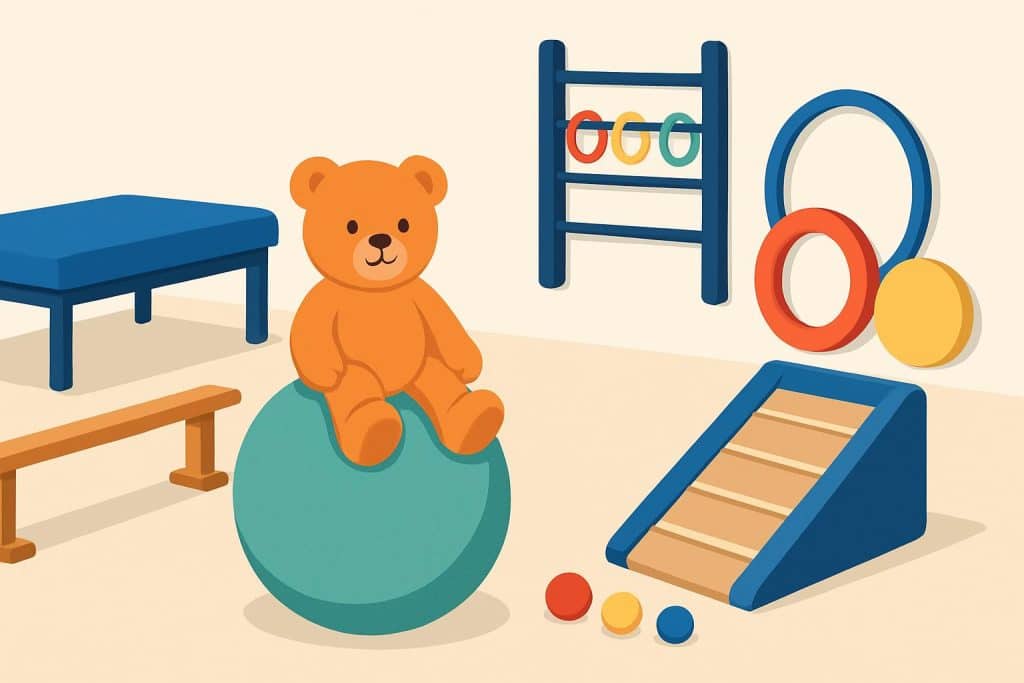
Children are constantly growing, learning, and developing new skills. From learning how to walk and run to participating in sports and everyday activities, movement plays an important role in a child’s physical and emotional development. However, some children may experience challenges with strength, coordination, balance, mobility, or recovering from an injury. This is where pediatric Rigby physical therapy can make a meaningful difference.
Physical therapy for kids focuses on helping children improve movement, build physical skills, and participate more fully in the activities they enjoy. Through personalized exercises and activities, pediatric physical therapists help children gain confidence while supporting healthy development.
What Is Pediatric Physical Therapy?
Pediatric physical therapy is a specialized type of therapy designed specifically for infants, children, and teenagers. Unlike adult physical therapy, pediatric therapy is tailored to the unique needs of growing bodies and developing skills.
Physical therapists who work with children understand how movement develops at different ages and create treatment plans that are age-appropriate and engaging. Many therapy sessions incorporate games, activities, and play-based exercises to help children stay motivated while working toward their goals.
The goal of pediatric physical therapy is not only to improve physical abilities but also to help children become more independent in everyday life.
Improving Strength and Coordination
Strength and coordination are important for many childhood activities, including playing, writing, running, climbing, and participating in sports. Some children may have difficulty developing these skills due to injury, developmental delays, or other physical challenges.
Physical therapy can help children improve:
- Muscle strength
- Balance
- Coordination
- Flexibility
- Body awareness
- Motor skills
Through targeted exercises, therapists help children develop the physical abilities needed to participate in activities with greater ease and confidence.
Helping Children Reach Developmental Milestones
Children develop important movement skills at different stages of life. These milestones may include rolling over, sitting, crawling, walking, jumping, and running.
Some children may need extra support reaching these milestones due to:
- Delayed development
- Muscle weakness
- Balance challenges
- Limited mobility
- Neurological conditions
A pediatric physical therapist evaluates a child’s movement patterns and creates a personalized plan to encourage healthy development and improve independence.
Supporting Recovery After Injuries
Active children often experience injuries from sports, falls, or accidents. Physical therapy can help children safely recover while restoring strength and mobility.
After an injury, therapy may focus on:
- Reducing pain and swelling
- Restoring movement
- Improving strength
- Preventing future injuries
- Returning to sports and activities safely
A physical therapist helps guide the recovery process so children can get back to doing the activities they love.
Improving Balance and Mobility
Balance and coordination are essential skills for children as they explore and interact with the world around them. Difficulty with balance can affect a child’s ability to participate in school activities, sports, or play with friends. Physical therapy can help children improve balance through activities that challenge stability, coordination, and body control. These exercises are designed to be fun while helping children feel more comfortable and confident with movement.
Helping Children with Sports Injuries
Young athletes often push their bodies through training, practices, and competition. While sports provide many physical and social benefits, they can also increase the risk of injuries.
Pediatric sports physical therapy can help young athletes:
- Recover from injuries
- Improve performance
- Strengthen muscles
- Improve movement patterns
- Prevent future injuries
Physical therapists work with children and families to create safe strategies for returning to sports and staying active.
Supporting Children with Physical Conditions
Some children benefit from physical therapy because of medical or developmental conditions that affect movement. Therapy can help improve function and increase independence for children with challenges related to strength, coordination, or mobility. Treatment plans are customized based on each child’s needs and may focus on improving daily activities, movement skills, and overall participation.
Building Confidence Through Movement
Physical challenges can sometimes affect a child’s confidence and willingness to participate in activities. Physical therapy helps children develop skills that allow them to feel more capable and independent. As children improve their strength, balance, and coordination, they often become more confident in their ability to play, participate, and try new things. Therapy is about more than physical improvement—it helps children build confidence and enjoy a more active lifestyle.
Making Therapy Fun and Engaging
One of the unique aspects of pediatric physical therapy is the use of play-based activities. Children often learn best when they are engaged and having fun.
Therapists may use:
- Games
- Toys
- Obstacles courses
- Balance activities
- Sports-related exercises
- Creative movement activities
These approaches help children stay motivated while developing important physical skills.
When Should Parents Consider Physical Therapy?
Parents may want to consider a pediatric physical therapy evaluation if they notice:
- Delays in reaching movement milestones
- Difficulty walking, running, or climbing
- Frequent falls
- Poor balance or coordination
- Trouble keeping up with peers
- Pain during movement
- Difficulty participating in sports or activities
A physical therapist can assess a child’s movement and determine whether therapy may help improve their abilities.
Physical therapy for kids provides valuable support for children who need help improving strength, mobility, coordination, or recovering from injuries. Through personalized treatment plans and engaging activities, pediatric physical therapists help children develop important skills while building confidence and independence. Whether a child is recovering from an injury, working toward developmental milestones, or simply needing support with movement, physical therapy can help them reach their goals and participate more fully in the activities they enjoy.