

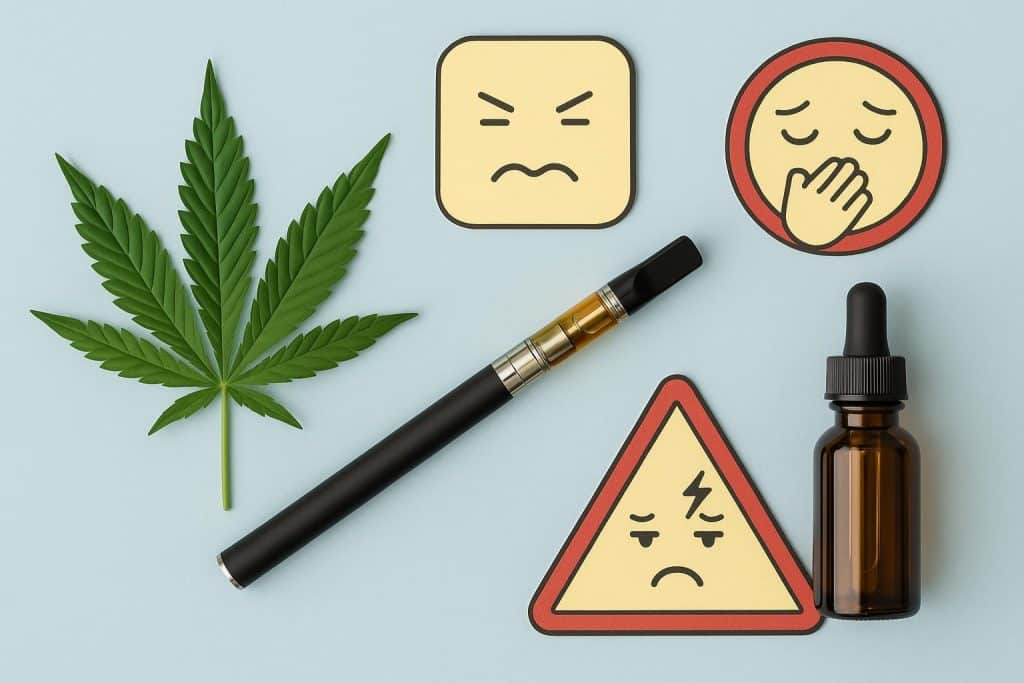
Vaping THC has become one of the most popular consumption methods for both recreational and wellness-oriented cannabis users, and the reasons are straightforward. It is discreet, fast-acting, relatively easy to dose, and produces a cleaner flavor profile than combustion. What the marketing around vape products tends to gloss over is that the same efficiency that makes vaping appealing also makes it one of the easier methods to overconsume, and overconsumption is the root cause of most of the side effects that give new and experienced users trouble alike.
Understanding THC vape side effects is not about fear. It is about using the method intelligently enough that the experience reliably delivers what you are looking for rather than what you were trying to avoid. Most of the common reactions associated with THC vaping are predictable, manageable, and largely preventable once you understand what is driving them and what you can do differently.
Why Vaping Produces More Pronounced Side Effects Than Other Methods
The pharmacokinetics of inhaled THC move faster than almost any other delivery method. When you draw from a vape, THC reaches the bloodstream through the lungs and arrives at the brain within minutes, sometimes within seconds depending on the depth and duration of the inhale. That speed is part of the appeal, but it also means there is very little buffer between an appropriate dose and an excessive one.
Compare this to edibles, where the 60 to 90 minute onset window gives the digestive system time to moderate absorption, or to sublingual tinctures that absorb more gradually through the mucous membranes. With vaping, the entire dose lands in your system rapidly and the effect is fully present before your body has much opportunity to signal that it is enough. This is why even experienced cannabis users who switch to vaping from other methods sometimes find themselves more affected than anticipated.
The potency of most commercial vape cartridges compounds this issue. Distillate-based cartridges, which dominate the mainstream market, commonly contain THC concentrations between 70 and 90 percent, dramatically higher than the 15 to 25 percent found in quality flower. A single draw from a high-potency cartridge delivers a quantity of THC that would require a much larger quantity of flower to replicate, and most users do not account for that difference in their dosing approach.
The Most Common Side Effects and Their Causes
Anxiety and paranoia represent the most frequently reported negative experience associated with THC vaping, particularly among newer users and those who are sensitive to THC’s psychoactive effects. The mechanism is well understood. THC at moderate to high doses activates the amygdala, the brain region responsible for threat detection and fear response, in ways that can amplify existing anxiety or generate it in people who were not anxious before consuming. The rapid onset of vaping means this effect can feel sudden and overwhelming rather than gradual and manageable.
Dry mouth, clinically called xerostomia, is one of the most universal THC side effects regardless of consumption method but is particularly noticeable with vaping because inhalation itself is drying to the mucous membranes. THC interacts with receptors in the submandibular glands that reduce saliva production, creating the characteristic cottony sensation that most cannabis users recognize immediately. While harmless in itself, persistent dry mouth with daily vaping can affect dental health over time by reducing saliva’s protective role against bacteria.
Increased heart rate, or tachycardia, occurs within minutes of THC inhalation and can last for up to three hours. THC causes blood vessels to dilate and the heart to compensate by beating faster, with resting heart rate increases of 20 to 50 beats per minute documented in research settings. For most healthy adults this is a temporary and benign response. For individuals with cardiovascular conditions, arrhythmias, or high blood pressure, it is a meaningful clinical concern that warrants a conversation with a physician before vaping THC regularly.
Red eyes result from the same vasodilation that affects heart rate. THC causes the blood vessels in the eyes to expand, producing the characteristic redness that has become one of the most recognizable markers of cannabis use. Eye drops designed for redness relief work by constricting those blood vessels and resolve the appearance effectively, though they do not address the underlying mechanism.
Dizziness and lightheadedness are common immediately after vaping, particularly with rapid or deep inhalation from high-potency cartridges. The combination of rapid THC absorption, blood pressure changes from vasodilation, and occasionally the physical act of breath-holding creates a momentary drop in blood pressure that the body reads as dizziness. Sitting down immediately after vaping and avoiding large, breath-held draws significantly reduces this response.
Respiratory irritation is a side effect specific to the inhalation method rather than THC itself. While vaping is generally considered less damaging to airway tissue than combustion, the repeated inhalation of heated vapor does cause some degree of airway irritation in regular users. Chronic cough, increased mucus production, and throat irritation are reported by a portion of frequent vape users. The 2019 EVALI outbreak, which was linked primarily to vitamin E acetate used as a cutting agent in illicit cartridges, highlighted the importance of sourcing cartridges from licensed, tested producers rather than unregulated suppliers.
Cognitive impairment in the form of short-term memory disruption, slowed processing, and reduced concentration is a dose-dependent effect that most THC users are familiar with. At low doses, the impairment is subtle and some users find it beneficial for creative or relaxation purposes. At higher doses it becomes pronounced enough to make focused work, driving, or complex decision-making genuinely problematic.
How to Minimize Side Effects Without Giving Up the Benefits
Dose management is the single most effective lever for reducing side effects across the board. The majority of negative vaping experiences trace back to consuming more THC than the individual’s current tolerance and sensitivity can handle comfortably. Starting with a single, short draw from a cartridge and waiting a full 10 to 15 minutes before considering another is a discipline that prevents most overconsumption-related reactions. The urge to take another draw before the first has fully developed is the pattern responsible for more unpleasant experiences than any other factor.
Choosing cartridges with lower THC concentrations and richer terpene profiles reduces the likelihood of anxiety and cognitive impairment significantly. Full-spectrum and live resin cartridges, which preserve the terpene content stripped out of distillate products, produce a more balanced and nuanced effect that most users find more manageable than the blunt, high-concentration impact of pure distillate. Terpenes like limonene and caryophyllene have demonstrated anxiolytic properties that actively moderate the anxiety potential of THC, and their presence in a cartridge is not just a flavor consideration.
CBD is perhaps the most underutilized tool for managing THC vape side effects. CBD modulates THC’s binding at CB1 receptors in ways that reduce anxiety, paranoia, and cognitive impairment without significantly diminishing the therapeutic benefits of THC. Keeping a CBD tincture or gummy available and using it when a vaping session tips toward discomfort is a practical harm-reduction strategy that works faster than most people expect. For reliable CBD options to pair with your vaping routine, Got Flower carries hemp-derived products specifically suited to this kind of complementary use.
Hydration before and during any vaping session reduces the severity of dry mouth and supports the circulatory stability that prevents dizziness. A glass of water before vaping and another readily available during the session is a minor habit that produces a noticeable difference in how the experience feels, particularly in the first hour.
Environment and mindset shape the THC experience more than most users credit. The same dose in a comfortable, familiar setting with no time pressure produces a fundamentally different experience than the same dose in an unfamiliar, socially pressured, or stressful context. Cannabis amplifies the emotional tone of the environment you are in, which means setting intentional conditions for a vaping session, particularly for wellness purposes, is not unnecessary caution but practical harm prevention.
Temperature settings on adjustable vape devices are worth paying attention to for users experiencing respiratory irritation. Lower temperature settings in the 315 to 375 degree Fahrenheit range vaporize terpenes and cannabinoids effectively while producing a cooler, less irritating vapor than high-temperature settings above 400 degrees. Higher temperatures do not necessarily produce a stronger effect but do produce harsher vapor that is more likely to cause coughing and airway irritation over time.
When Side Effects Signal Something That Needs Medical Attention
The vast majority of THC vape side effects are temporary, dose-dependent, and resolve on their own as THC metabolizes out of the system. However, some responses warrant medical evaluation rather than waiting them out.
Chest pain or significant breathing difficulty following vaping should not be attributed to normal side effects and requires medical assessment. Persistent respiratory symptoms including chronic cough, shortness of breath, or fever developing alongside regular vaping use should prompt a conversation with a physician given what is now understood about vaping-associated lung injury.
Severe anxiety or panic that does not resolve within a few hours, or psychotic symptoms including hallucinations or significant paranoia occurring beyond the acute consumption window, warrant clinical attention rather than home management, particularly in individuals with a personal or family history of psychiatric conditions.
Heart palpitations that feel irregular rather than simply fast, or chest tightness accompanying an elevated heart rate, should be evaluated by a physician, particularly for anyone over 40 or with pre-existing cardiovascular risk factors.
Frequently Asked Questions
1. Why do I feel more anxious from vaping than from other cannabis products I have used? The speed and efficiency of inhalation delivers THC to the brain faster than edibles or tinctures, which means the psychoactive effect arrives before your body has time to adjust gradually. High-potency distillate cartridges also deliver significantly more THC per draw than most users realize compared to flower. Switching to a lower-potency full-spectrum cartridge and reducing draw duration typically resolves vape-specific anxiety for most users.
2. Is the dry mouth from THC vaping harmful to dental health over time? Persistent dry mouth with daily vaping does carry some dental health implications. Saliva plays a protective role in neutralizing oral bacteria and remineralizing tooth enamel, and reduced saliva production over time can increase cavity risk. Staying well hydrated, using a remineralizing toothpaste, and maintaining regular dental hygiene reduces this risk significantly. Mentioning your vaping routine to your dentist gives them the context to monitor for any early changes.
3. Can I build a tolerance to THC vape side effects the same way I build tolerance to the effect itself? Partially. Some side effects, including red eyes and dry mouth, tend to become less pronounced with regular use as the body adapts. Anxiety and paranoia responses are more variable and do not consistently diminish with tolerance in the way the euphoric effect does. In some users, anxiety sensitivity to THC actually increases over time with heavy use, which is one of the indicators that a tolerance break or dose reduction is warranted.
4. Is vaping THC safer than smoking flower from a side effect perspective? On the specific question of respiratory harm from combustion byproducts, vaping is generally considered less damaging than smoking because it eliminates the combustion process that produces carbon monoxide and tar. However, vaping carries its own respiratory considerations, and the long-term pulmonary effects of regular vaping are still being studied. From a systemic side effect perspective, the primary difference is that vaping’s efficiency makes overconsumption and its associated side effects more likely than smoking for users who do not actively manage their dose.
5. How long do THC vape side effects typically last? Most acute side effects from vaping, including elevated heart rate, red eyes, dry mouth, and cognitive effects, resolve within two to three hours as THC is metabolized. Anxiety and dizziness from overconsumption typically resolve within the same window, though they can feel longer when you are in the middle of them. Residual grogginess or mild cognitive fog can persist into the following morning with heavy evening consumption, particularly in users with slower THC metabolism.