


Sore muscles can be quite annoying. Regardless of whether you exercise vigorously, spend countless hours working at your desk, carry heavy things, or just deal with stress in your everyday life, body tension can make any movement uncomfortable. Sore shoulders, legs, and lower backs are among the most common issues experienced by many people.
Therefore, nowadays, there is an increasing number of people who seek natural means of muscle recovery rather than relying only on conventional painkillers. Topical products have become quite common for treating certain muscle-related conditions, as they act locally and do not affect other parts of the body.
The use of CBD muscle rub has become increasingly popular lately as a way to get quick relief and relaxation. In addition, making this product yourself can provide you with better flexibility when choosing the ingredients, consistency, and aroma of the resulting product. Continue reading to find out how to prepare a CBD muscle rub at home.
Choosing the Right CBD Base for Your Muscle Rub
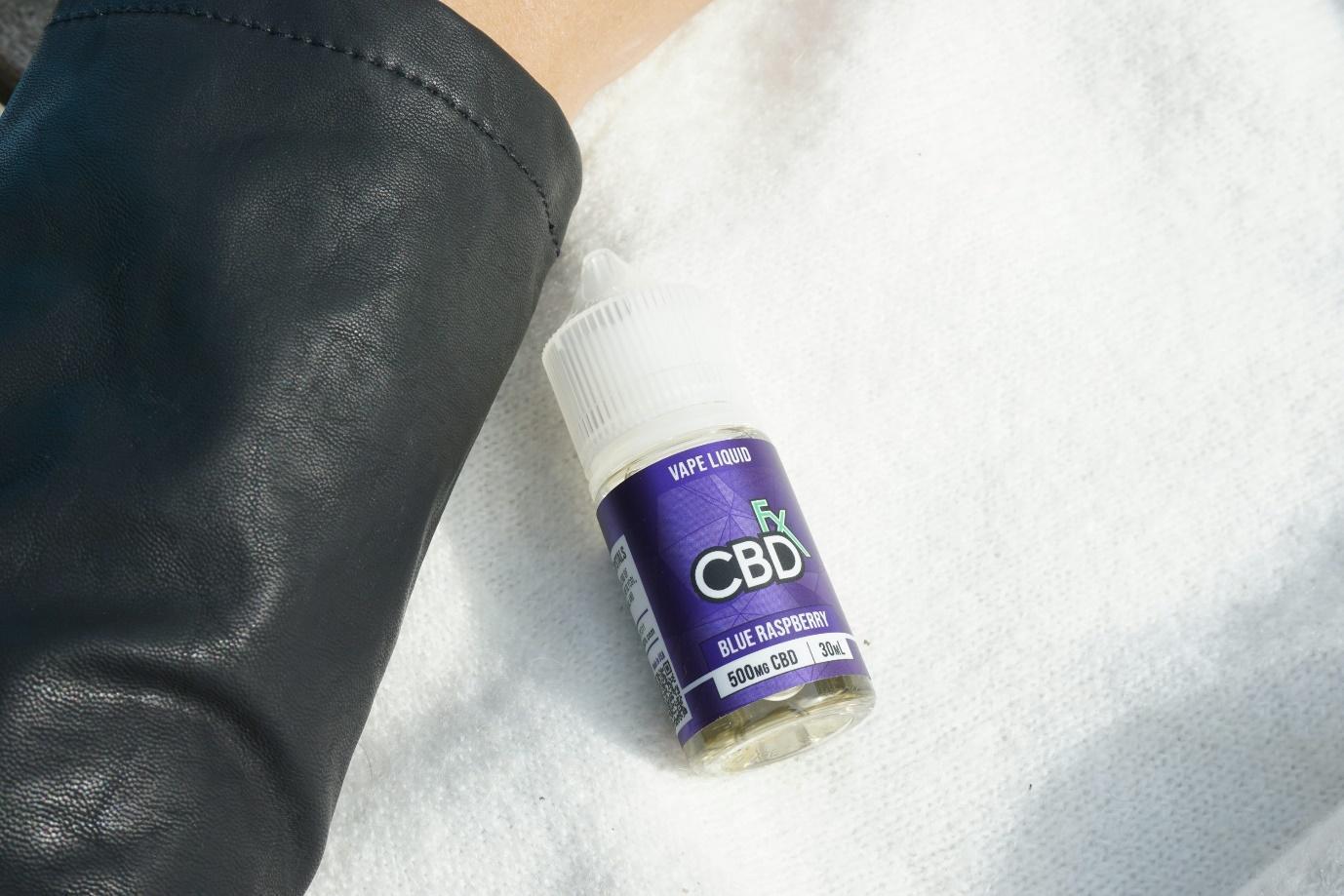
The first important step when creating your CBD muscle rub is choosing the right CBD base. This will affect the overall efficiency of your CBD product and help it blend easily with other ingredients.
There are three popular product types that every first timer needs to know when learning how to make CBD muscle rub. They include CBD isolate, broad-spectrum CBD oil, and full-spectrum CBD oil. The last one is usually preferred due to the combined effect of several hemp extracts.
Moreover, you can find some commercial muscle rubs containing such ingredients as CBDa, menthol, and camphor. Such a combination gives additional cooling or warming properties to the rub.
Remember to purchase a high-quality, properly labeled CBD product so you know exactly what you are adding to your recipe.
Using Carrier Oils That Support Skin Absorption
Besides, CBD requires a good carrier oil to spread evenly and be absorbed into the skin. The rub can be too thick, too greasy, or even hard to apply without the right base. Common carrier oils are coconut oil, shea butter, olive oil, and sweet almond oil.
Coconut oil is particularly popular because it melts easily and mixes well with CBD extracts. Shea butter makes it richer and contributes to a smoother consistency of the balm.
Beeswax is also used by some to make the final product thick and balm-like. This assists the rub to remain stable at room temperature and allows it to be applied directly to sore areas.
Adding Essential Oils for Extra Comfort and Relaxation
Ideally, essential oils can enhance the feel and experience of your homemade muscle rub. They evoke a sense of smell, cooling, and an additional sense of relaxation.
The cooling effect of peppermint oil is well known, and the fresh, calming effect of eucalyptus oil is enhanced. Lavender is often included to promote relaxation, particularly when the rub is applied in the evening or before bed.
Rosemary and ginger oils are also popular for muscle tension, as they are commonly associated with circulation and heat.
Moderation is the key. Essential oils are very potent, so a few drops will suffice. Excess might aggravate delicate skin rather than soothing it.

Natural Ingredients That Help Reduce Muscle Tension
Apart from CBD and oils, there are some simple yet natural ingredients that will make your muscle rub even more powerful for pain and tension.
Arnica is a common ingredient in topicals for post-workout pain relief and bruises. Another beneficial ingredient for those experiencing tight muscles after workouts and work hours is magnesium oil.
Menthol crystals can provide a cooling sensation, commonly used in professional muscle rubs, while camphor can be considered for its warming effects. These ingredients are used in stronger formulas because they allow for immediate surface relief. Pick your ingredients according to your skin sensitivity and the desired intensity of your product.
Proper Mixing and Heating for Better Consistency
A good homemade muscle rub should feel smooth and even, not grainy or separated. Proper mixing makes a big difference.
Start by melting solid ingredients like coconut oil, shea butter, and beeswax using low heat. A double boiler works best because it prevents overheating and protects the CBD from unnecessary heat damage.
Once melted, remove the mixture from direct heat before adding your CBD oil and essential oils. This helps preserve their quality and strength.
Stir slowly, but thoroughly, so everything blends evenly. If ingredients separate, the texture may feel uneven during use.
Let the mixture cool gradually in a clean glass jar or metal tin. As it sets, it should become soft but firm enough to scoop easily.
Safe Storage to Maintain Freshness and Potency
Even high-quality homemade rub can be ruined if improperly stored. Freshness and potency are preserved by proper storage.
Store your muscle rub in a sealed container that does not receive direct sunlight, heat, or moisture. A cool, dry cabinet is normally sufficient. Plastic jars may not be as good as glass jars since they do not maintain the scent and stability of ingredients.
When your recipe contains natural oils that do not contain preservatives, freshness is even more important. Monitor any changes in smell, texture, or color over time.
You can also use the jar’s label to determine the shelf life. Homemade rubs remain fresh for several weeks to a few months, depending on ingredients.

Closing Remarks
A DIY CBD muscle rub is an easy way to help sore muscles using natural ingredients and a formula tailored to your specific needs. A more effective and enjoyable rub can be made by selecting an appropriate CBD base, high-quality carrier oils, and beneficial ingredients such as peppermint, arnica, or menthol.
Adequate heating, mixing, and storage also contribute significantly to the effectiveness of the final product. It is equally important to use it properly and consistently to achieve greater results.
A homemade rub provides comfort, convenience, and control. With the right approach, it can become a useful part of your daily recovery routine.