

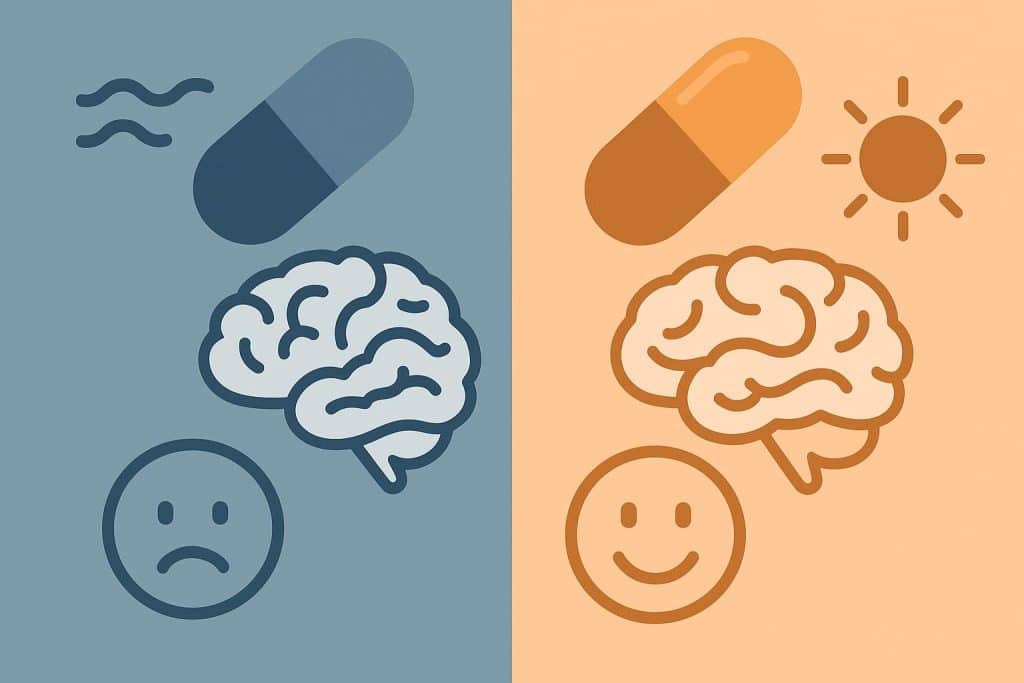
You ever notice how two people can go through the same thing, but react totally differently? One person is fine, almost normal. The other is struggling like it’s hitting them ten times harder. It happens a lot with changes in the body, especially when substances or habits are involved. Even something like withdrawal symptoms of kratom can look completely different from one person to another, and honestly, it confuses people more than it should. You start wondering if something is wrong with you, or if you’re just “weak” in some way. But it’s usually not that deep. The body just reacts in its own way, based on a lot of small hidden factors working together.
Why the Body Reacts Differently to the Same Change
So here’s the thing. Your body is not a copy-paste system. It’s more like a fingerprint. Slightly different in everyone. One person might feel heavy fatigue during change, another might feel mostly emotional shifts, and someone else barely notices anything at all.
It comes down to sensitivity mostly. Some nervous systems are just more alert. They pick up changes fast. Almost like they are always on “watch mode.” Others are calmer, slower to react. Neither is better or worse. Just different wiring.
Even your brain chemistry plays a role. Dopamine, serotonin, stress hormones… they don’t behave the same in everyone. So when something shifts, the reaction is not uniform. It never really is.
The Role of Habit and Dependency Patterns
Your body loves routine. It really does. It learns patterns without asking you first. Wake up, coffee, certain feelings, certain chemicals… it all becomes familiar.
Now imagine breaking that pattern. Even slightly. Your system notices. And if the habit has been around for a long time, the reaction can feel stronger. Not because something is “wrong,” but because the body got used to a rhythm and now it’s adjusting.
It’s a bit like your body saying, “Hey, where did that usual thing go?” And it doesn’t stay quiet about it either.
Emotion also matters here. If a habit is tied to comfort or stress relief, the body holds on tighter. So the reaction becomes not just physical, but emotional too. That mix can feel overwhelming.
Emotional State and Stress Levels Before Change
This part is often ignored, but it matters a lot.
If you are already stressed before a change happens, your body is basically starting from a higher tension level. So any adjustment feels louder. More intense. Almost like turning up the volume on everything.
Sleep matters too. Poor sleep makes everything feel heavier. Mood drops faster. Even small discomforts feel big.
And your mental state… it sets the tone. If you’re anxious going into a change, your body kind of follows that lead. Not on purpose. It just reacts.
So two people can go through the same experience, but their starting point is not the same. That alone can change everything.
Why Timing and Duration Matter
Another thing people don’t think about is time.
How long something has been part of your routine changes how your body responds when it’s removed or adjusted. Short-term exposure usually leads to lighter reactions. Long-term use or habits tend to create deeper adaptation patterns.
And then there is speed. Sudden change can shock the system a bit. Gradual change gives the body time to catch up. Think of it like slowing down versus hitting the brakes suddenly. Same direction, different impact.
Your body is always trying to find balance again. But it doesn’t always get there smoothly. Sometimes it stumbles a bit first.
In Conclusion
This is what it all comes down to. Your body is not reacting against you. It’s reacting for you, trying to bring things back into balance. Some days it feels smooth. Other days, not so much. It just means adjustment is happening in real time. And honestly, everyone goes through it differently. That’s the part people forget. There is no single “correct” way to experience change. If you’ve ever wondered why reactions vary so much, it often connects back to how the body adapts in its own slow and personal way. Not rushed. Not perfect. Just steady, sometimes messy, but always moving toward balance in the end.