

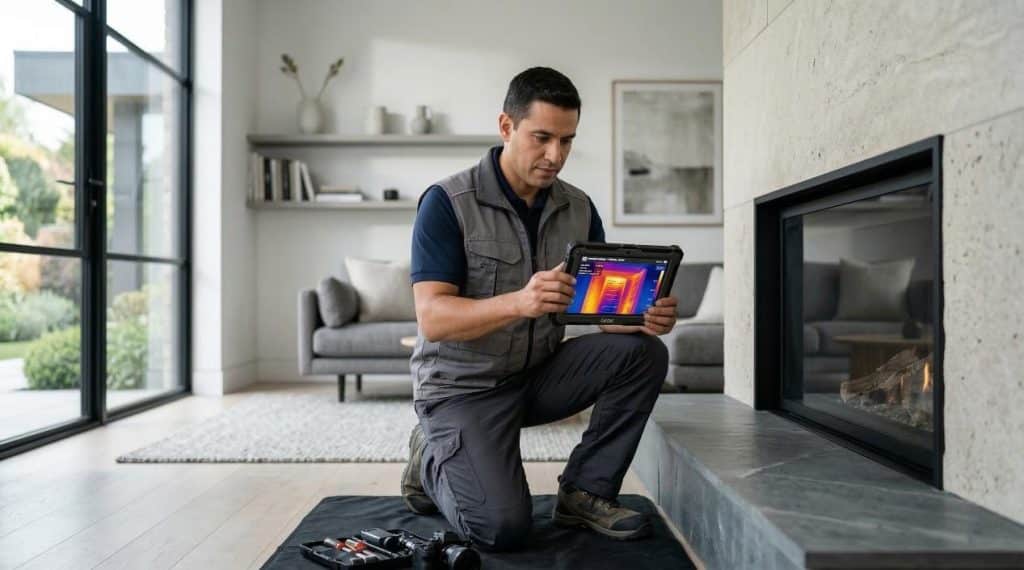
As home construction and heating technologies continue to evolve, the standards for maintaining residential infrastructure have become increasingly sophisticated. In 2026, a fireplace is no longer viewed simply as a rustic aesthetic feature; it is a complex ventilation component that must interface correctly with modern insulation and HVAC systems. For homeowners, understanding the link between professional maintenance and structural safety is the key to preventing long-term property damage and ensuring a healthy living environment.
Neglecting the exhaust system of a home can lead to a variety of hidden issues that compromise the integrity of the building. From the accumulation of flammable byproducts to the deterioration of internal masonry, the risks are significant. By adhering to updated safety protocols, residents can enjoy the warmth of their hearth without the underlying anxiety of potential mechanical failure or fire hazards.
The Evolution of Residential Venting Systems
Modern homes are designed to be much more airtight than those built several decades ago. While this efficiency is beneficial for climate control and energy costs, it creates a unique challenge for traditional chimney drafting. A chimney relies on a delicate balance of pressure to pull combustion gases out of the living space. When a home is sealed too tightly, “back-drafting” can occur, pulling dangerous fumes like carbon monoxide back into the house.
Safety standards in 2026 emphasize the importance of ensuring that the venting system is compatible with the home’s overall air exchange rate. This involves more than just a quick sweep; it requires a detailed analysis of the flue’s performance. Ensuring that the chimney remains unobstructed by debris or animal nests is the first step in maintaining this critical pressure balance.
Structural Integrity and the Role of Flue Liners
The internal liner of a chimney serves as the primary barrier between extreme heat and the combustible wooden frame of a house. Over time, the corrosive nature of smoke and moisture can cause clay liners to crack or metal liners to pit and corrode. These small breaches are often invisible from the hearth but can allow heat to transfer into the wall cavities, potentially igniting a structural fire.
Modern inspection techniques now utilize high-definition camera systems to scan the entire length of the flue. This allows for the identification of microscopic fractures or shifting tiles that could lead to a total system failure. Maintaining this internal barrier is one of the most important aspects of modern home infrastructure management, as a compromised liner often requires extensive and expensive structural repairs if not caught early.
Preventing Flammable Creosote Accumulation
The primary byproduct of burning wood is creosote, a sticky and highly flammable substance that adheres to the walls of the flue. Creosote exists in three stages, with the third stage being a hardened, glazed form that is nearly impossible for a homeowner to remove without specialized equipment. If left unmanaged, even a small spark can ignite this layer, leading to a high-intensity chimney fire that can reach temperatures exceeding 2,000 degrees Fahrenheit.
Safety professionals recommend a proactive approach to removal before the substance reaches a dangerous volume. Scheduling a comprehensive chimney inspection allows for the assessment of creosote levels and the overall health of the masonry. Regular intervention ensures that the system stays clean and operates at peak efficiency throughout the colder months.
Environmental and Efficiency Benefits of Clean Systems
A well-maintained chimney does more than just provide safety; it also improves the efficiency of the heating appliance. When air flows freely through the system, the fire burns hotter and more completely, which reduces the amount of fuel needed to heat the home. This leads to lower utility costs and a smaller environmental footprint, as less particulate matter is released into the atmosphere.
Furthermore, a clean system prevents the unpleasant odors that often plague homes during the humid summer months. Damp soot and creosote can emit a strong, smoky smell that permeates furniture and carpets. By enlisting professional chimney services to perform a deep clean at the end of the heating season, homeowners can maintain better indoor air quality year-round.
Protecting Your Investment with Documented Care
For many individuals, a home is their most significant financial asset. Real estate and insurance standards have become more rigorous regarding the documentation of home maintenance. Having a record of annual chimney care can be a vital component during a home sale or when filing an insurance claim related to storm damage. It proves that the homeowner has exercised due diligence in maintaining the property’s safety systems.
Ultimately, the goal of modern safety standards is to create a predictable and secure environment for families. By treating chimney maintenance as a core part of home infrastructure care, residents can prevent emergencies and extend the lifespan of their heating systems. Staying informed and proactive is the best way to navigate the responsibilities of homeownership in 2026.